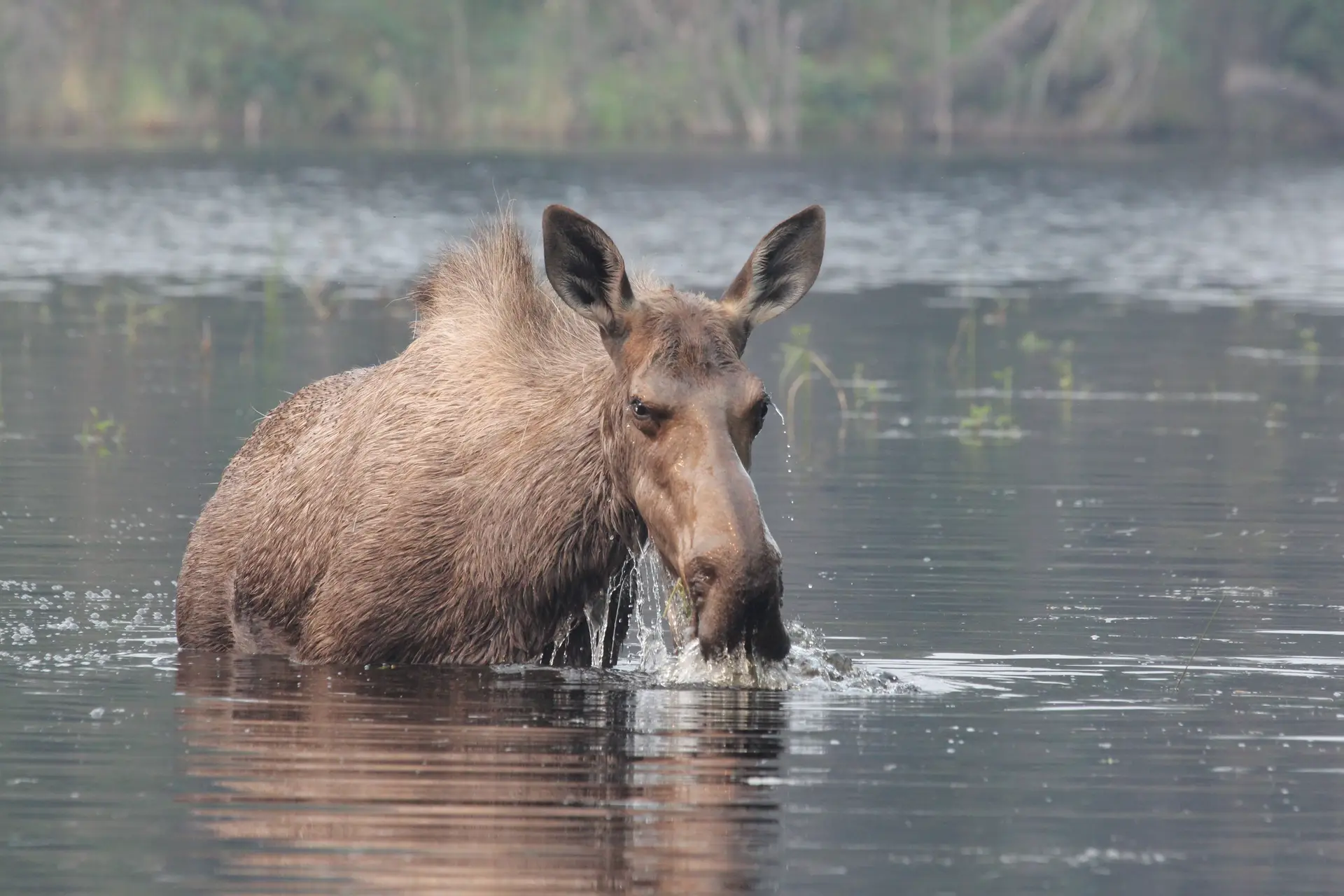
A moose wading peacefully through calm water in a Canadian wetland habitat

Choose your field activity and discover wildlife at your own family pace.

Three quiet, self-guided explorations designed for Canadian families to observe authentic animal behaviours across wetlands, boreal woods, and open paths.

Field Activity 01 · Wetland Habitat

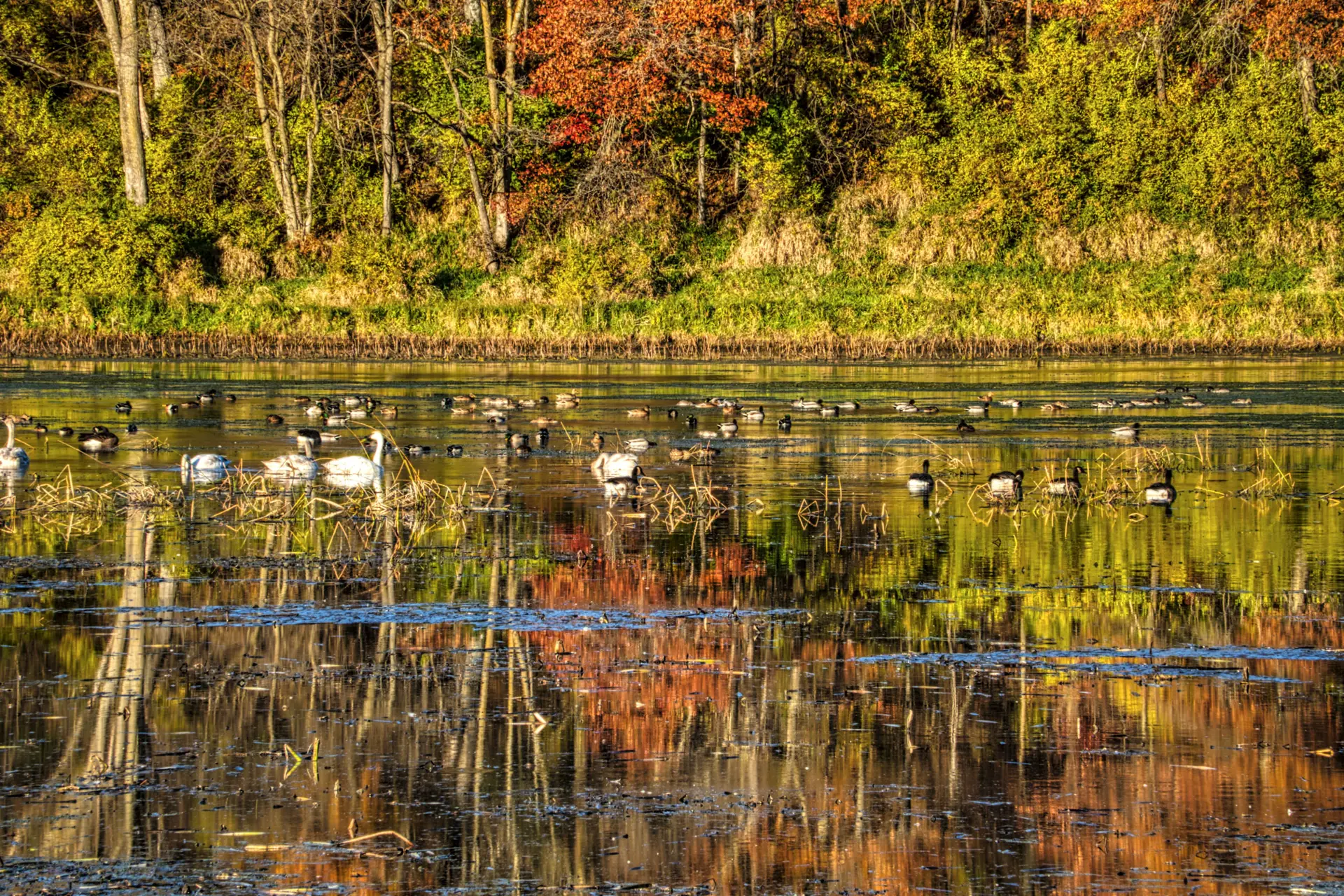
Begin at the Marshland Boardwalk observation deck at Ardenovelloriana: watch for Canada geese tipping tail-up to forage underwater, look for kingfishers hovering above ripples, and ask your children why webbed feet paddle so quietly without splashing.

Starting Point Boardwalk Station 2, Marshland Reedbed
Observable Behaviours Upending, feather preening, calm surface navigation
Question for Children “How does a duck keep its head steady while its feet paddle underneath?”
All Movement Trails Forest & Water

Animal Movement Trail

Start at the central Trailhead Marker by the Boreal Pine Grove. Follow the quiet paw-print markers to compare how distinct Canadian animals travel, leap, paddle, and stalk across varied natural terrain.

1 / 4
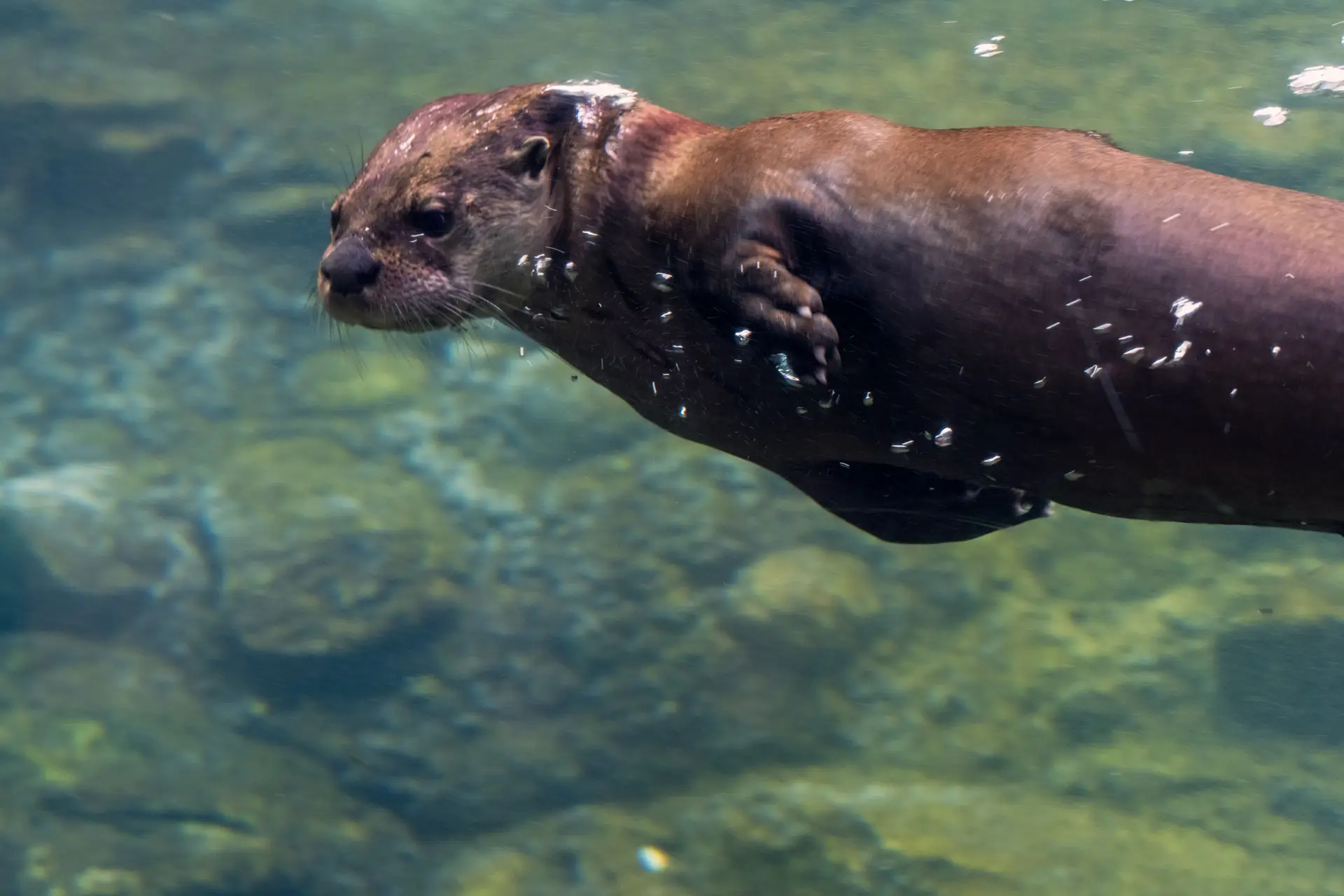
River otter swimming smoothly through clear pool
Aquatic Propulsion

River Otter: The Rudder Tail

Notice how the otter flattens its broad, muscular tail to steer sharp turns underwater, tucking its front limbs close to minimize water drag.

Question for Children

Does the otter push itself forward with its webbed feet, or does its body roll in ripples like a fish?
View habitat notes →
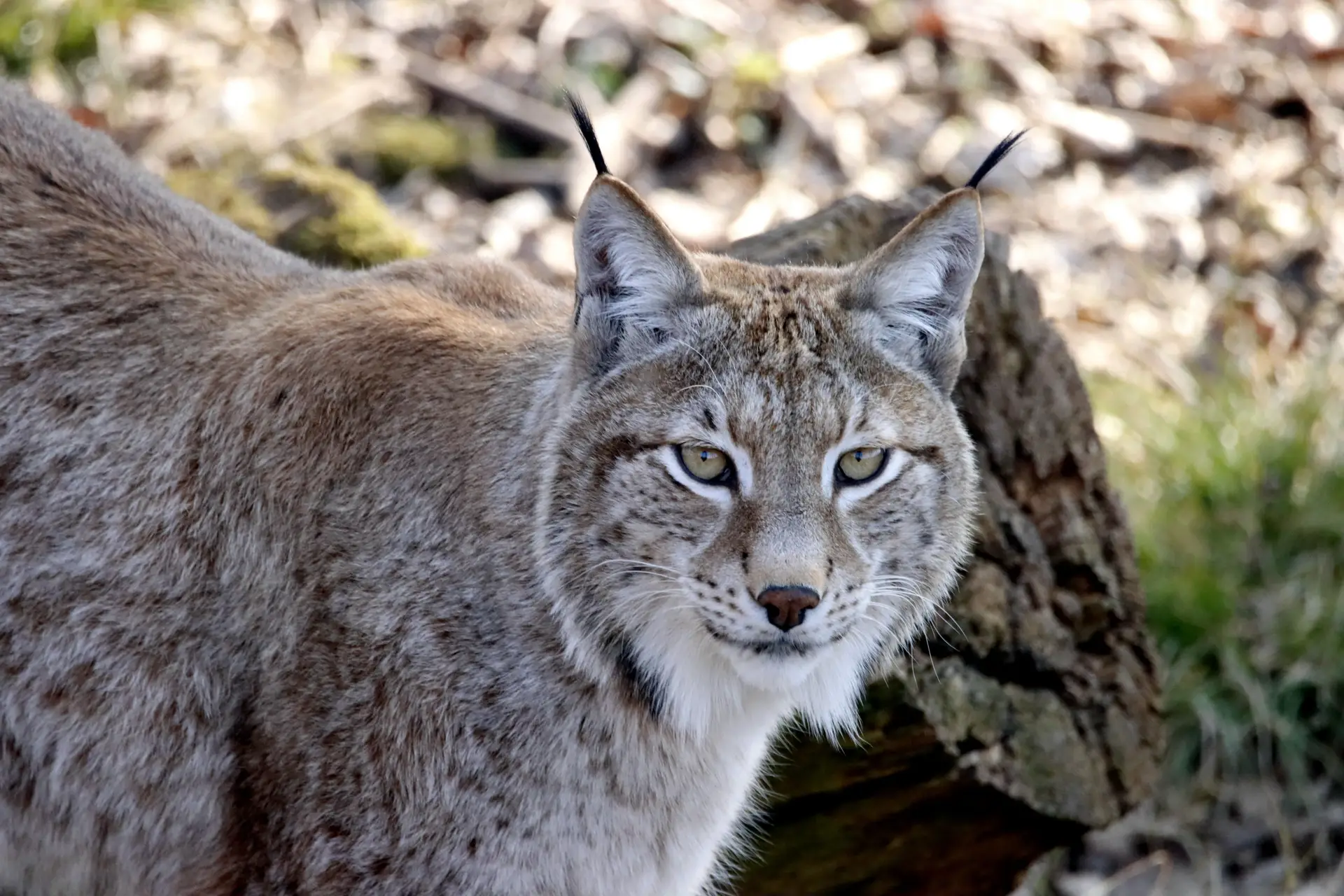
Canada lynx stepping with padded paws across ground
Silent Prowl

Canada Lynx: Snowshoe Paws

Observe how wide its paws spread on impact. The furred soles distribute weight evenly so the cat walks atop loose ground without cracking twigs.

Question for Children

Which paw touches down first when the lynx steps over a fallen spruce log?

View habitat notes →
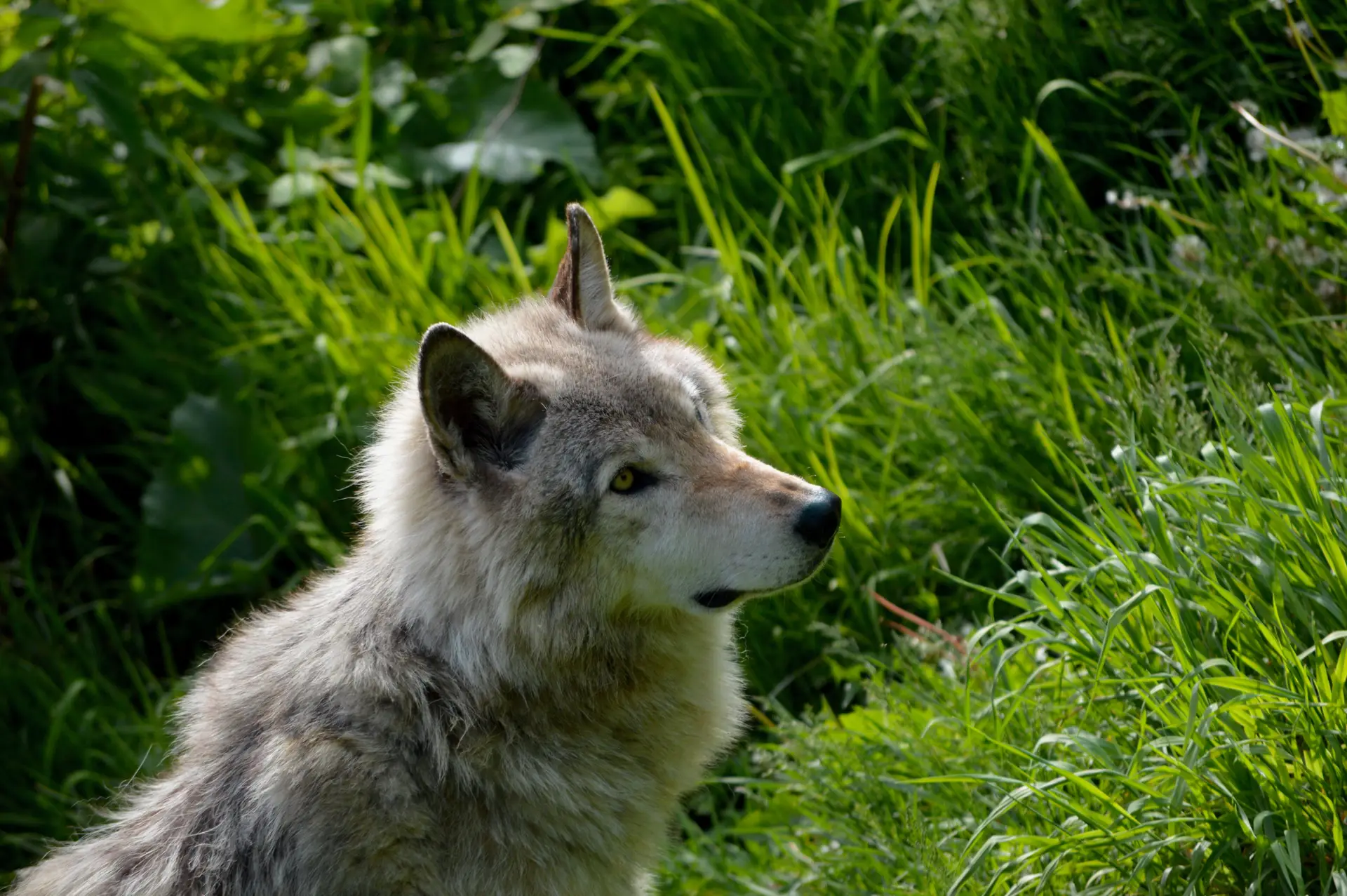
Wolf standing among tall green grass
Endurance Gait

Grey Wolf: Direct Register Trot

Watch the back paws land precisely in the tracks left by the front paws, conserving energy over long distances through rugged brush.

Question for Children

Can you count how many paces the wolf takes before pausing to test the air with its nose?

View habitat notes →
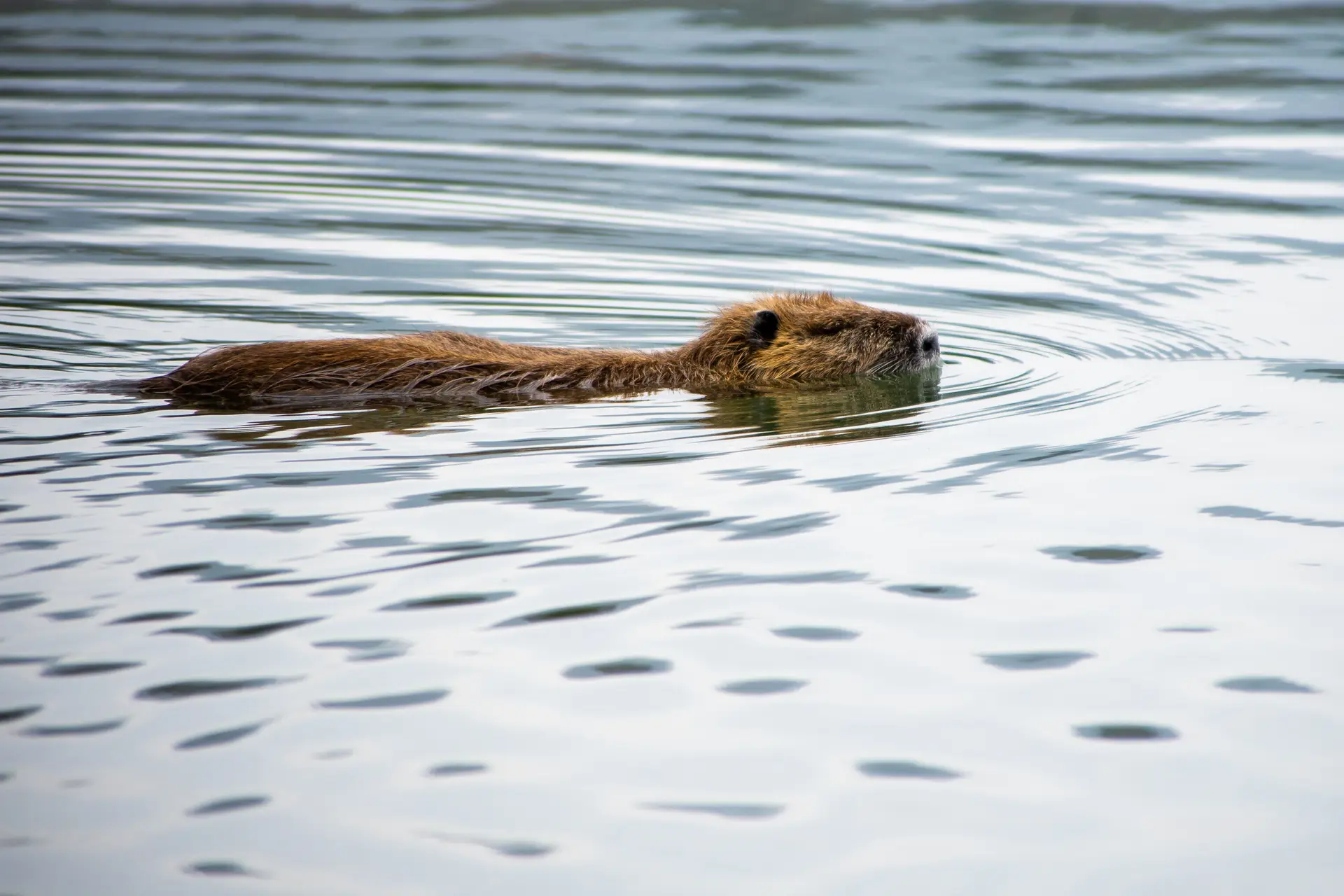
North American beaver gliding quietly along pond edge
Heavy Glider

North American Beaver: Low Wake

Watch how low the beaver carries its head in the water, leaving only its nostrils, eyes, and ears above the surface while steering with its webbed hind feet.

Question for Children

Does the beaver splash when it dives under, or does it submerge smoothly without sound?

View habitat notes →
Field Activity 03 · Observation Art

Wildlife Sketchbook Activity

Grab a pencil and field notepad at the Visitor Centre. Settle on the sheltered pavilion benches overlooking each habitat zone, and look closely at forms, textures, and adaptations.

Wetland birds beside a golden autumn shoreline
Observation Station 1 Wetland Pavilion

Feather Silhouettes & Beak Contours

Detail to Sketch The curve of the serrated bill edge used for filtering pondweed
Question for Children Can you draw how the wings tuck completely smooth against the sides?
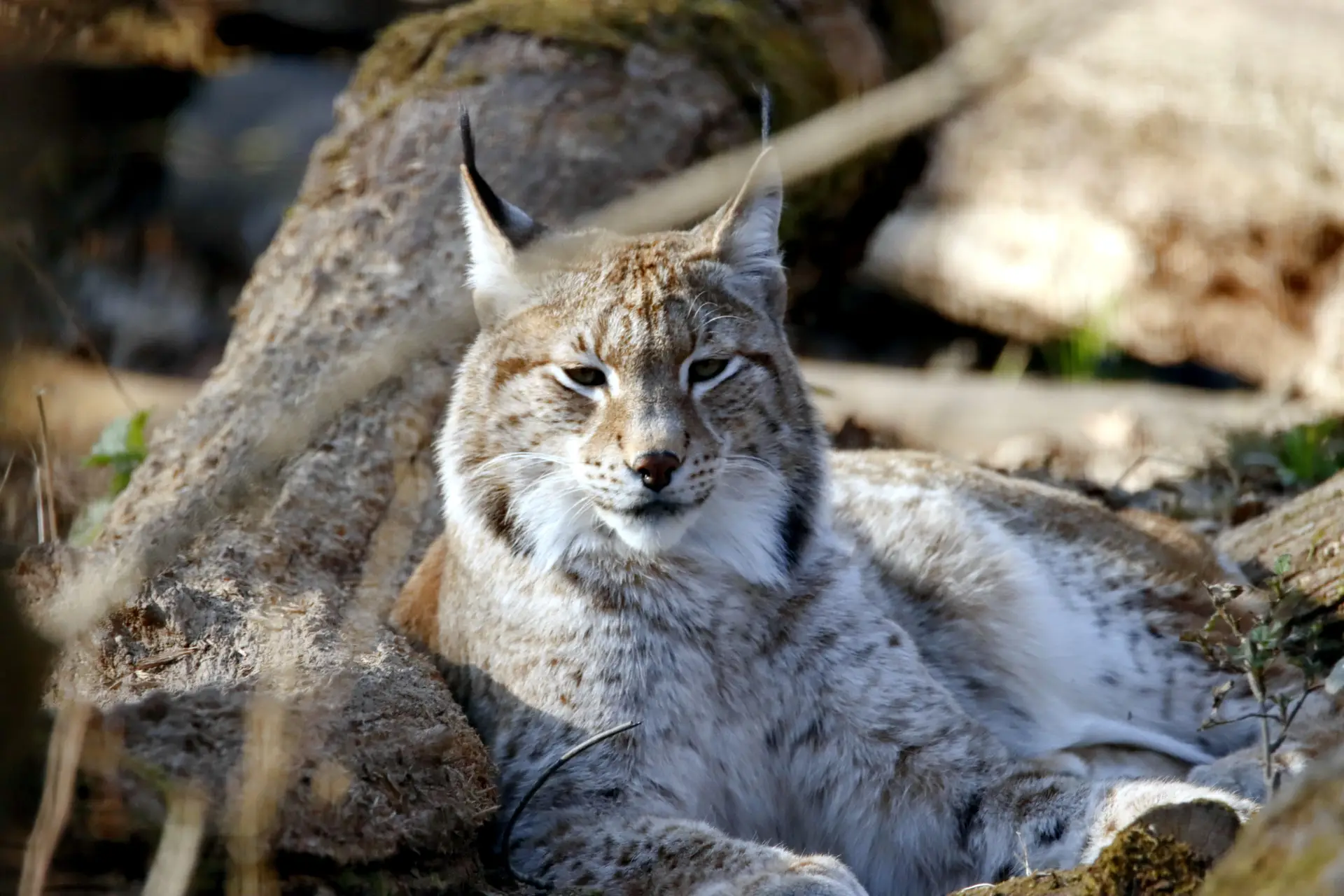
Lynx in profile with its tufted ears raised
Observation Station 2 Spruce Ridge Shelter

Ear Tufts & Camouflage Patterning

Detail to Sketch The upright black hair tufts on each ear tip and facial ruff
Question for Children Why do the tufts stand straight up when the lynx listens to wind in the trees?
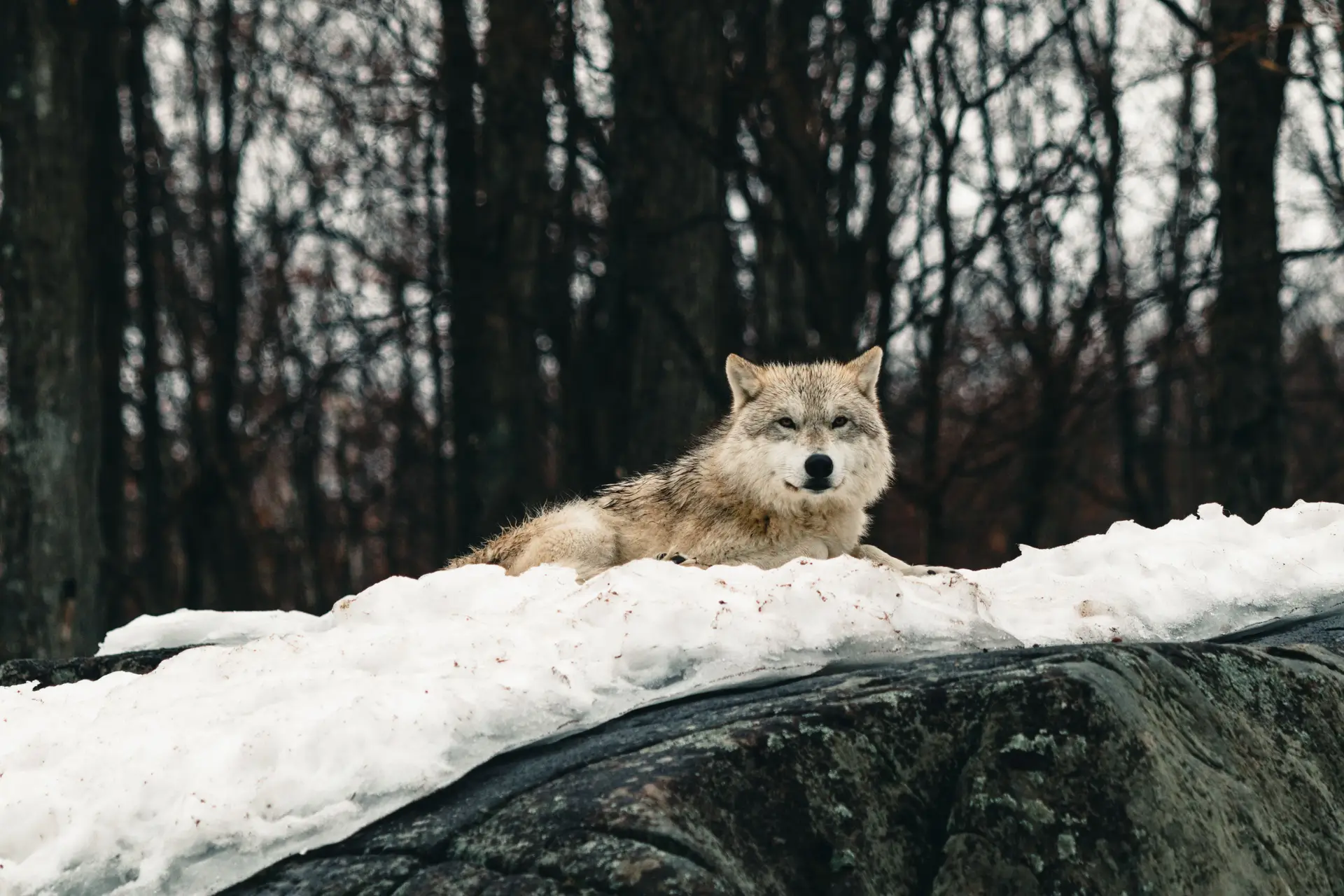
Grey wolf reclining calmly on forest floor
Observation Station 3 Valley Meadow Overlook

Shoulder Stance & Fur Layering

Detail to Sketch The dense guard hairs forming a darker ridge along the spine
Question for Children Which direction does the coat flow to shed rainwater and melting snow?