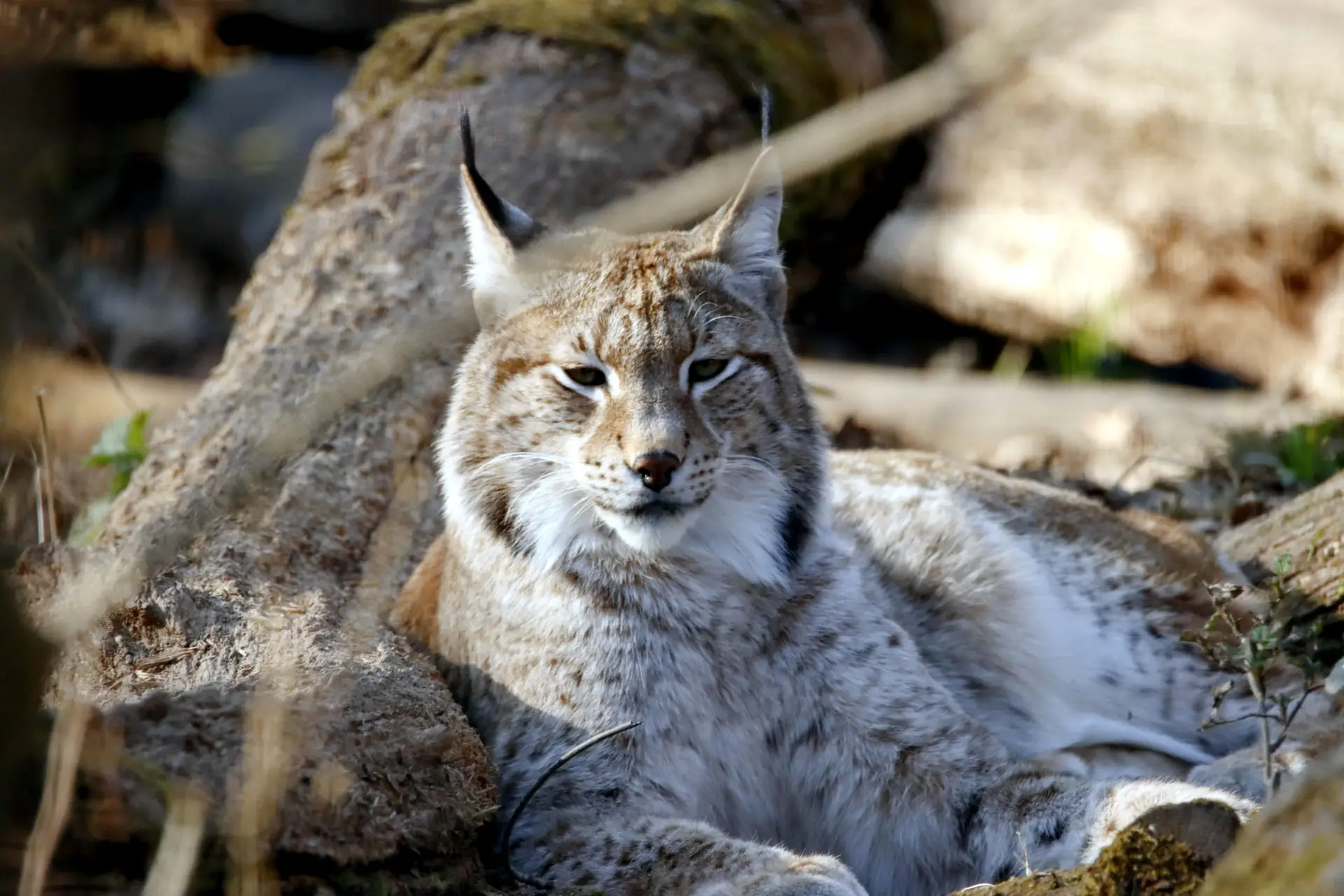
Learning through quiet observation and wild intent.
Our field-guide approach helps Canadian families and visitors understand native species through unhurried watching, observable habits, and respectful distance.
At Ardenovelloriana, every habitat is built around voluntary choice— ensuring animals determine when to forage, explore, or retreat into quiet sheltered terrain.
Field note: True welfare reflects autonomy. When animals have complex elevation, natural foraging opportunities, and seclusion zones away from visitor sightlines, their natural behaviours emerge with confidence.
Enrichment and Quiet Observation
Explore how intentional habitat design and patient observation allow animals to thrive while offering visitors a deeper understanding of Canadian wildlife.
Varied Foraging & Physical Complexity
Enrichment starts by mimicking seasonal food distribution. Rather than predictable feeding schedules, river otters hunt buried shellfish in submerged gravel, and lynx stalk sensory scent trails through fallen logs. This encourages problem-solving, stamina, and natural cognitive agency.
Quiet Observation & Low-Stress Visitor Etiquette
Animals are attuned to sudden movement and sharp vocal tones. When guests lower their voices and pause on viewing decks, animals remain in open clearings rather than seeking deeper cover. Stillness rewards visitors with authentic grooming, scent-marking, and exploratory play.
Shelter Zones & Visual Retreat
Every habitat incorporates dense evergreen thickets, rocky crevices, and elevated platforms that permit complete visual seclusion from footpaths. When animals know shelter is immediately accessible, their baseline resting heart rates drop and vigilance stress diminishes.
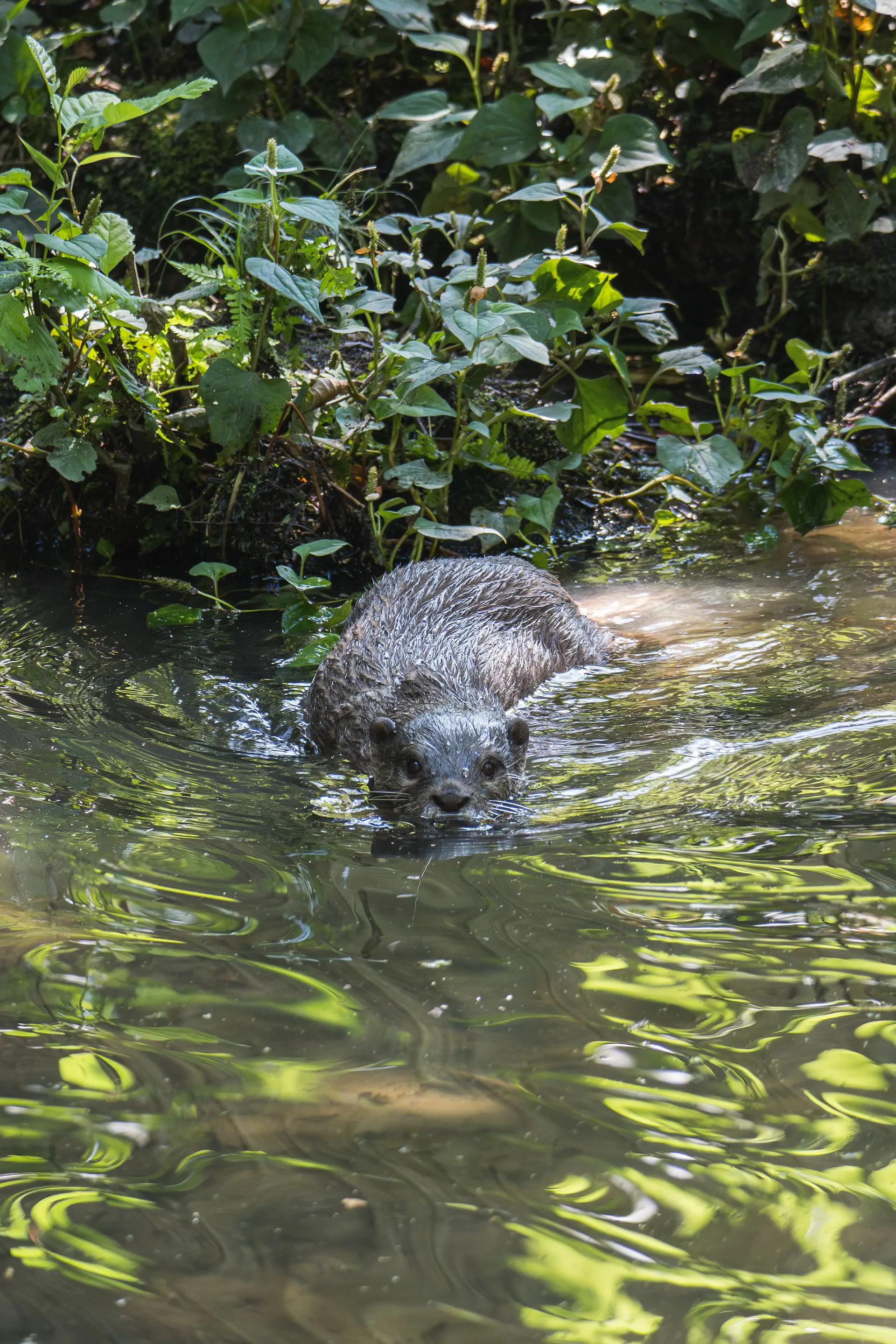
Notice the gentle propulsion of the flattened tail and webbed hind feet as the otter scans the bank without breaking water tension.