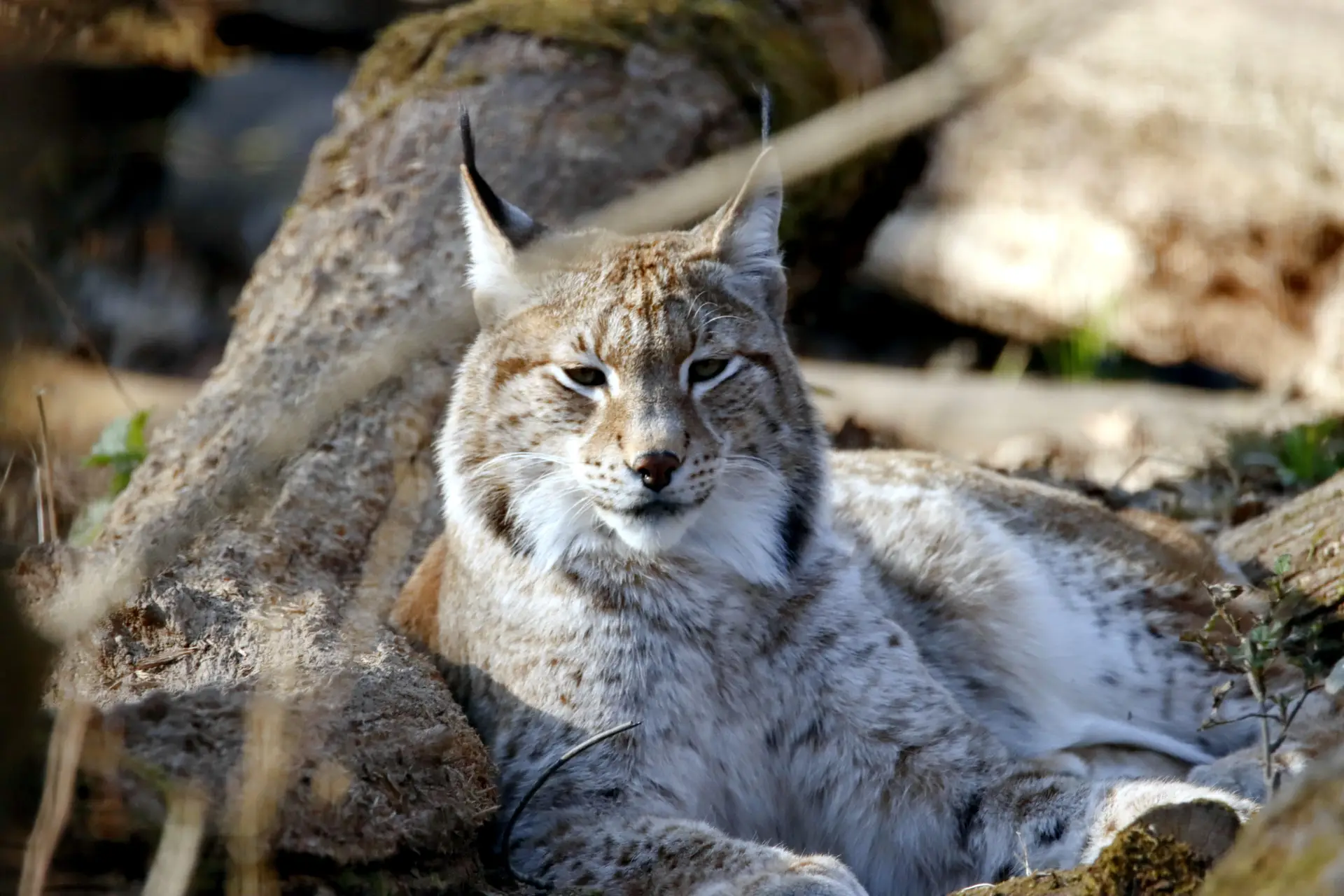
Canada Lynx
Lynx canadensis
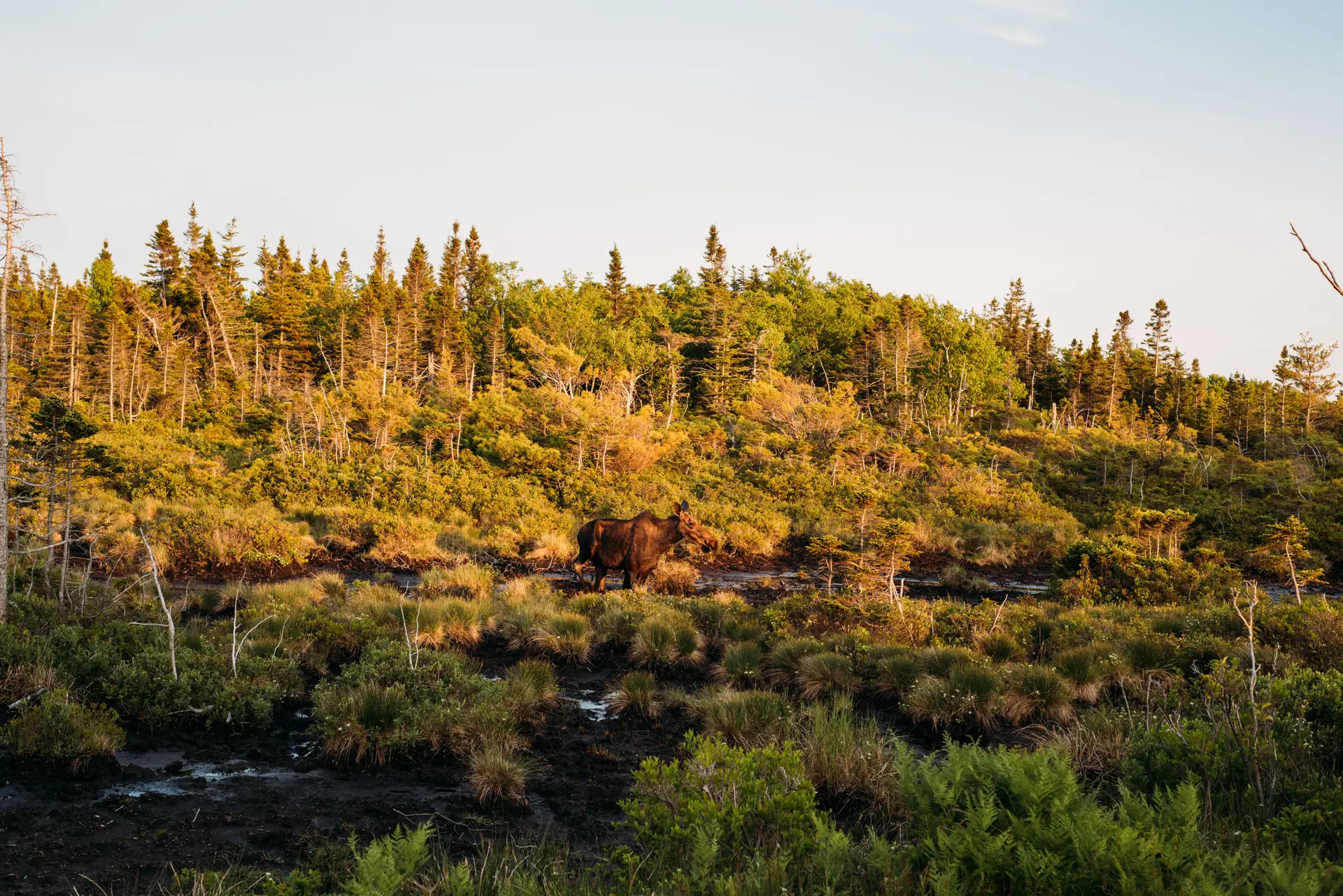
Explore Ardenovelloriana through the distinct habitats of boreal forest, wetlands, and open prairie grasslands. Use this guide to match species traits with observable behaviours during your visit.
Densely timbered tracts of black spruce, tamarack, and moss-covered granite ridges shelter species adapted to deep snow and silent movement.
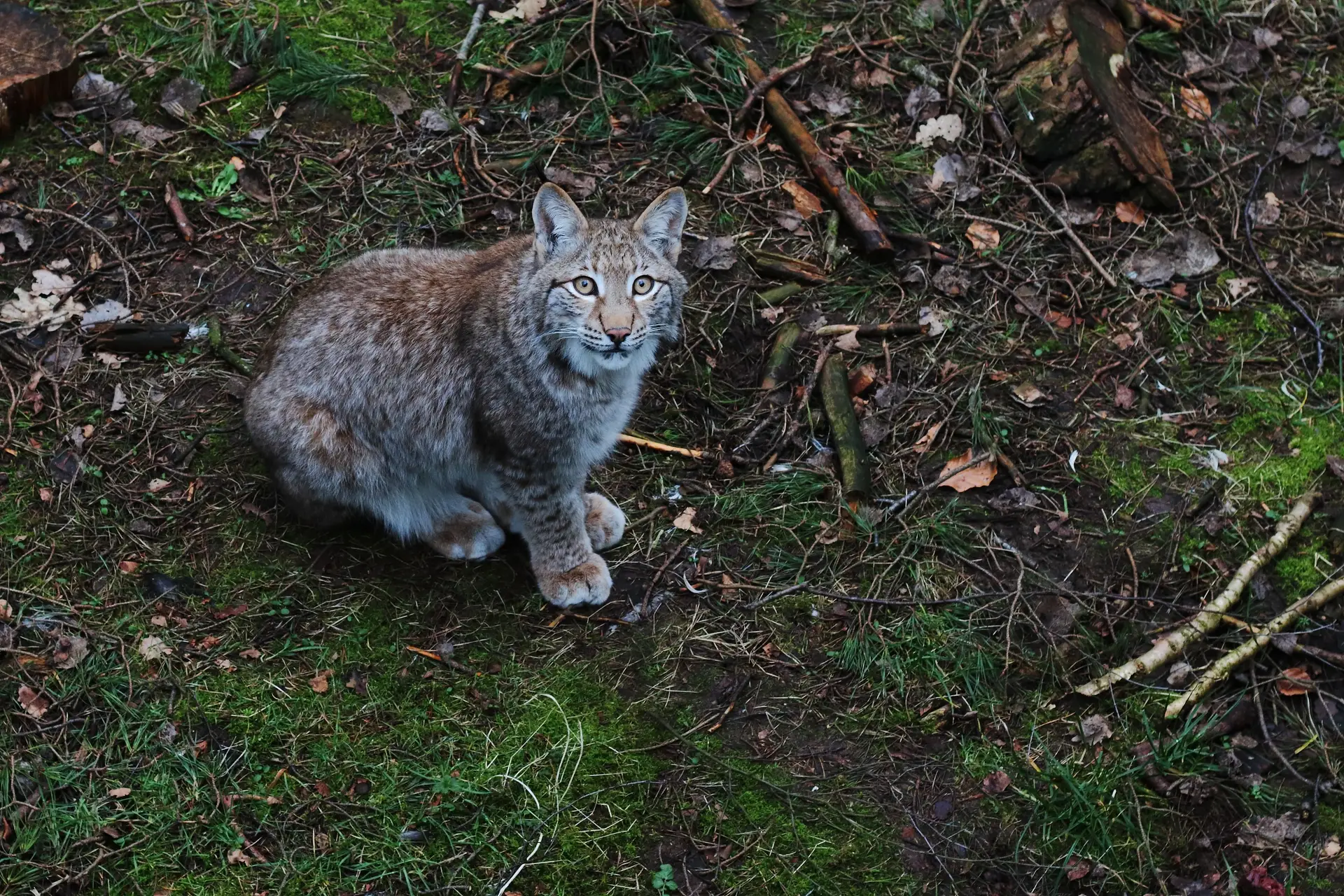
Lynx canadensis
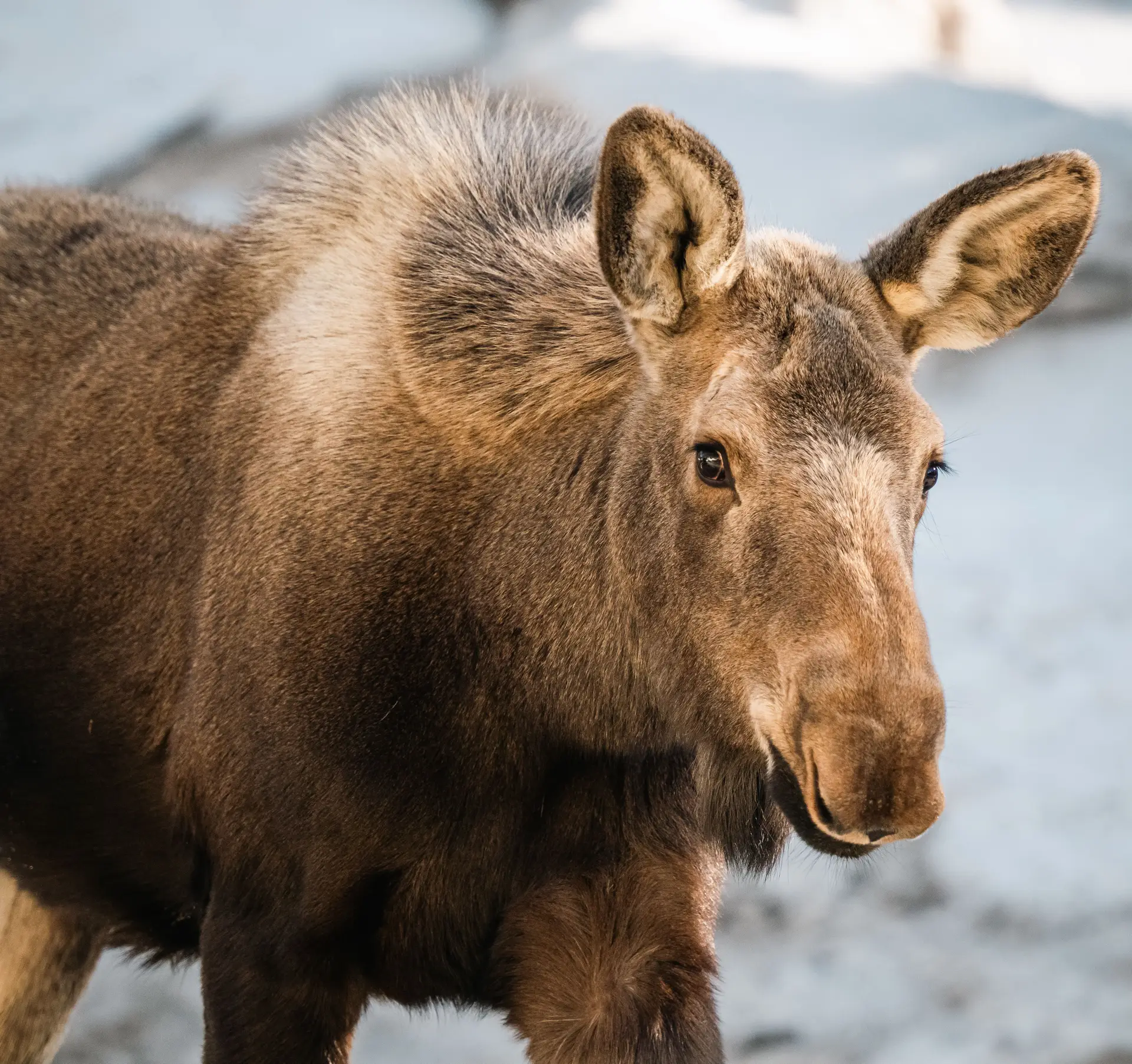
Alces alces americana
Canis lupus lycaon
Slow-moving river channels, beaver ponds, and cattail marshes provide critical nurseries and feeding grounds for semi-aquatic Canadian wildlife.
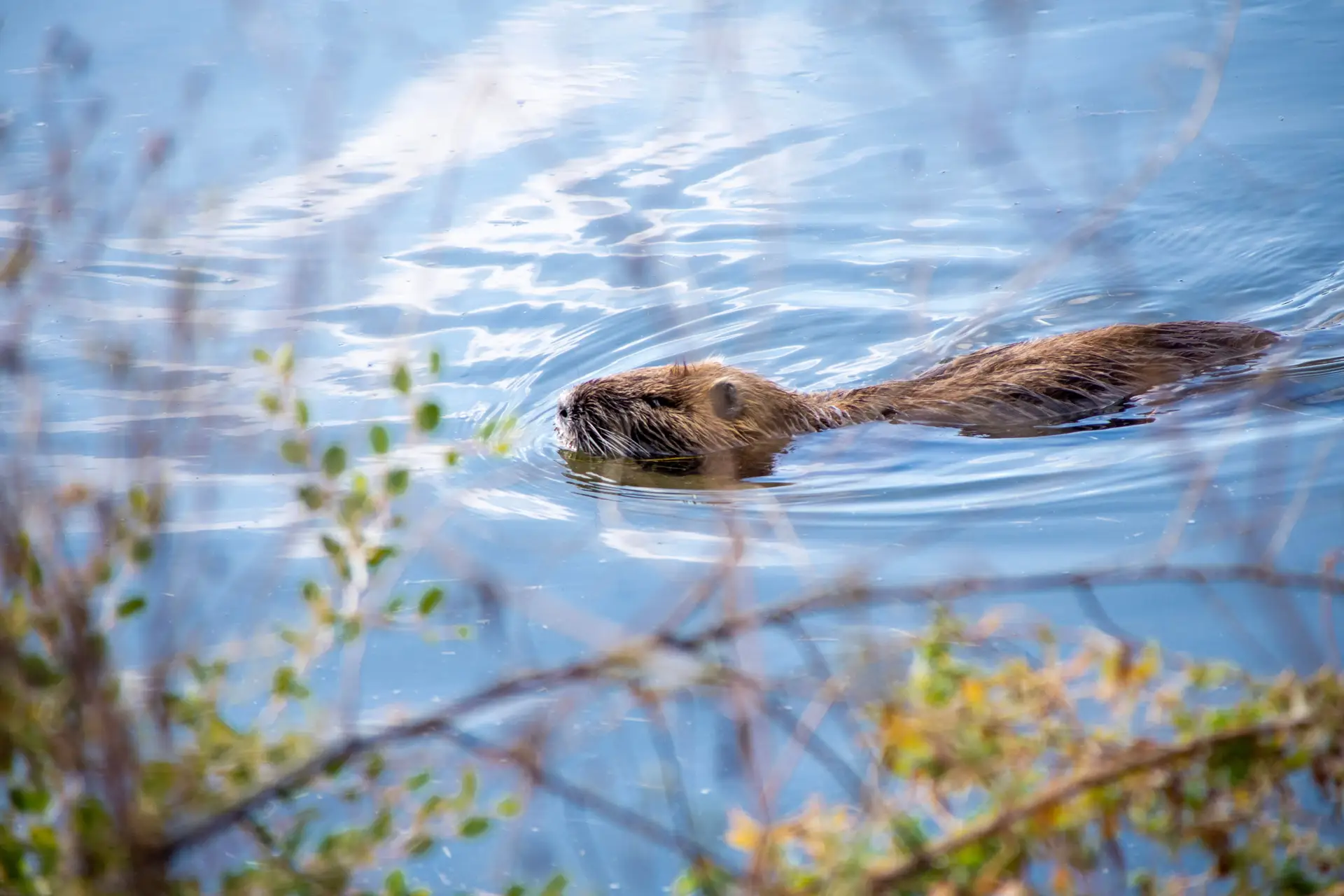
Look for the flattened scaly tail adjusting angle like a rudder as the beaver transports birch cuttings through calm channels.
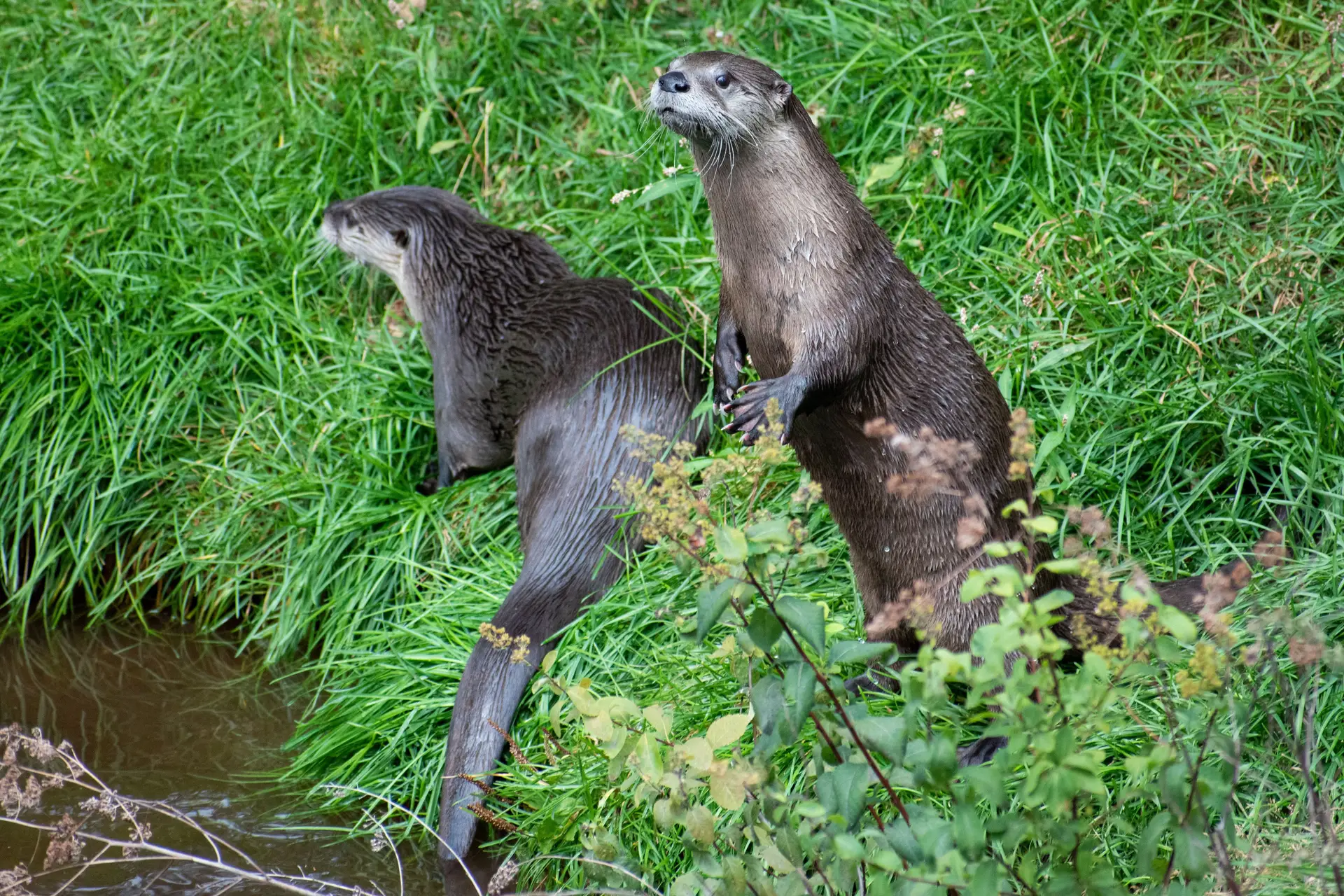
Watch how the long, muscular tail acts as both propeller and counterweight when rolling gracefully under the surface.
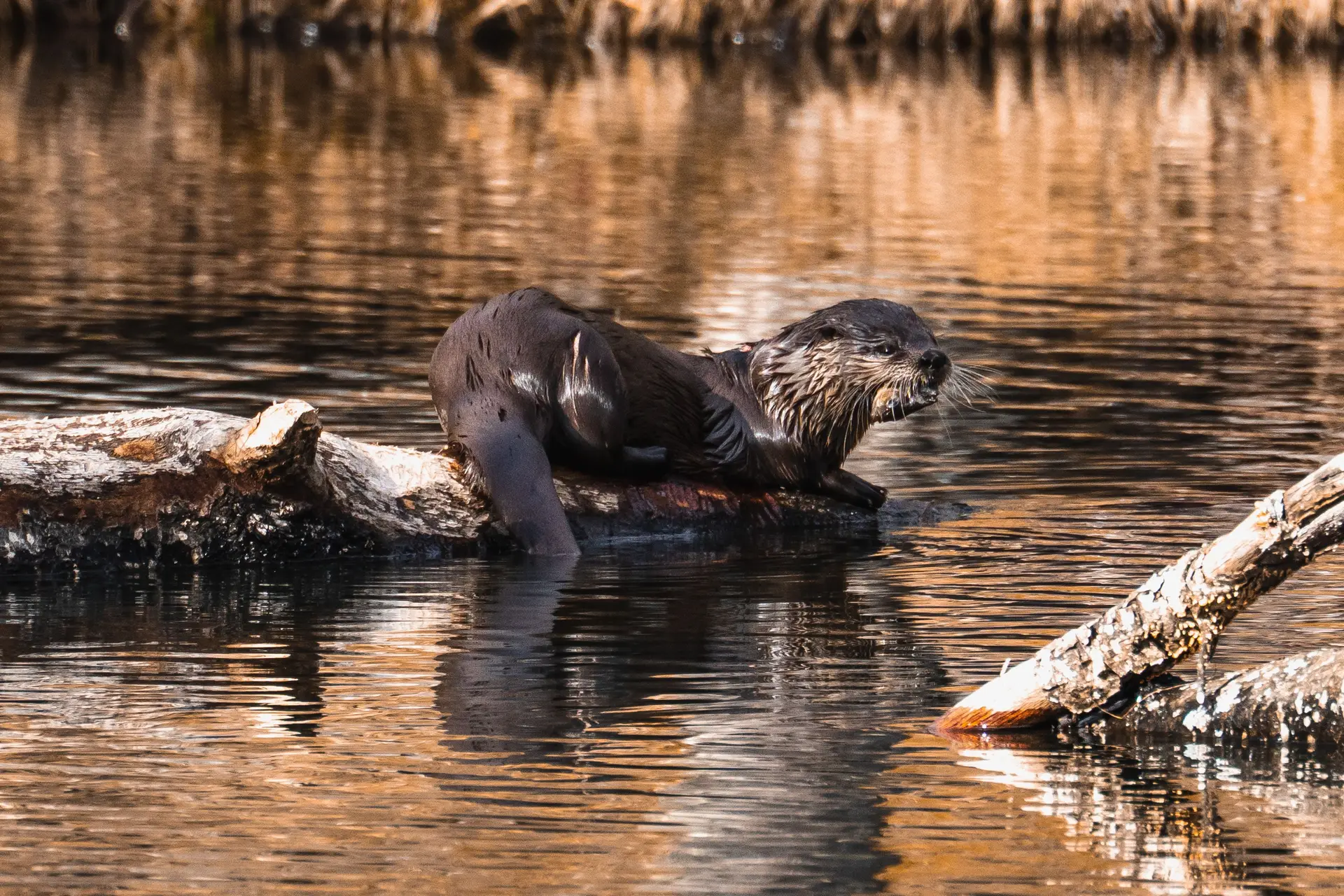
Unlike terrestrial mammals that paddle primarily with front limbs, the river otter tucks its forelegs tightly against its chest during high-speed swimming. It drives forward via sinusoidal undulations of the lower spine, using its tapered, muscular tail for sudden pivots and stabilization against river currents.
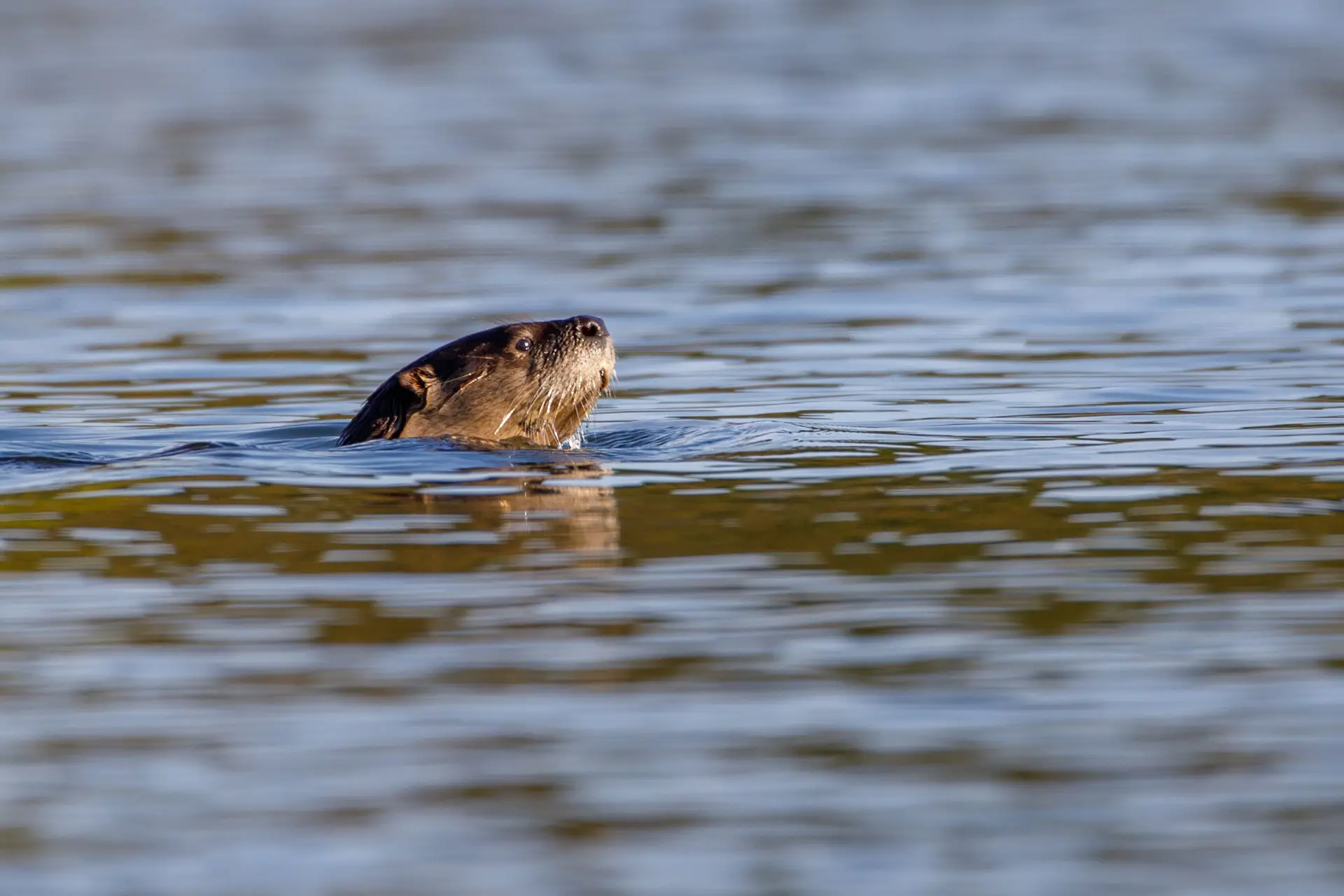
Notice the brief tail flick above the waterline right as the otter pushes downward into the deep bedrock channel.
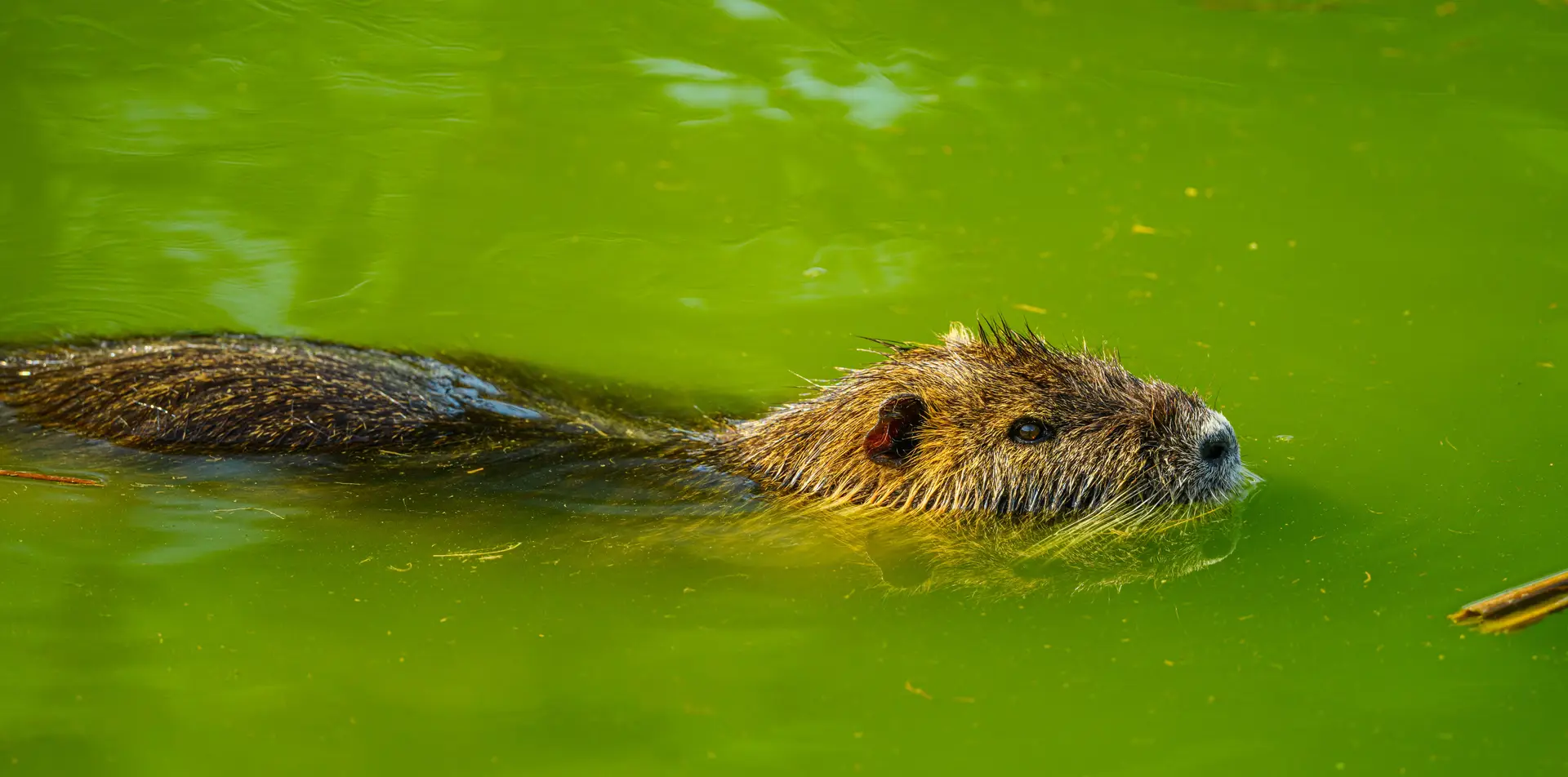
Observe the nostrils and ears clamping shut tight while clear nictitating eye membranes protect vision underwater.
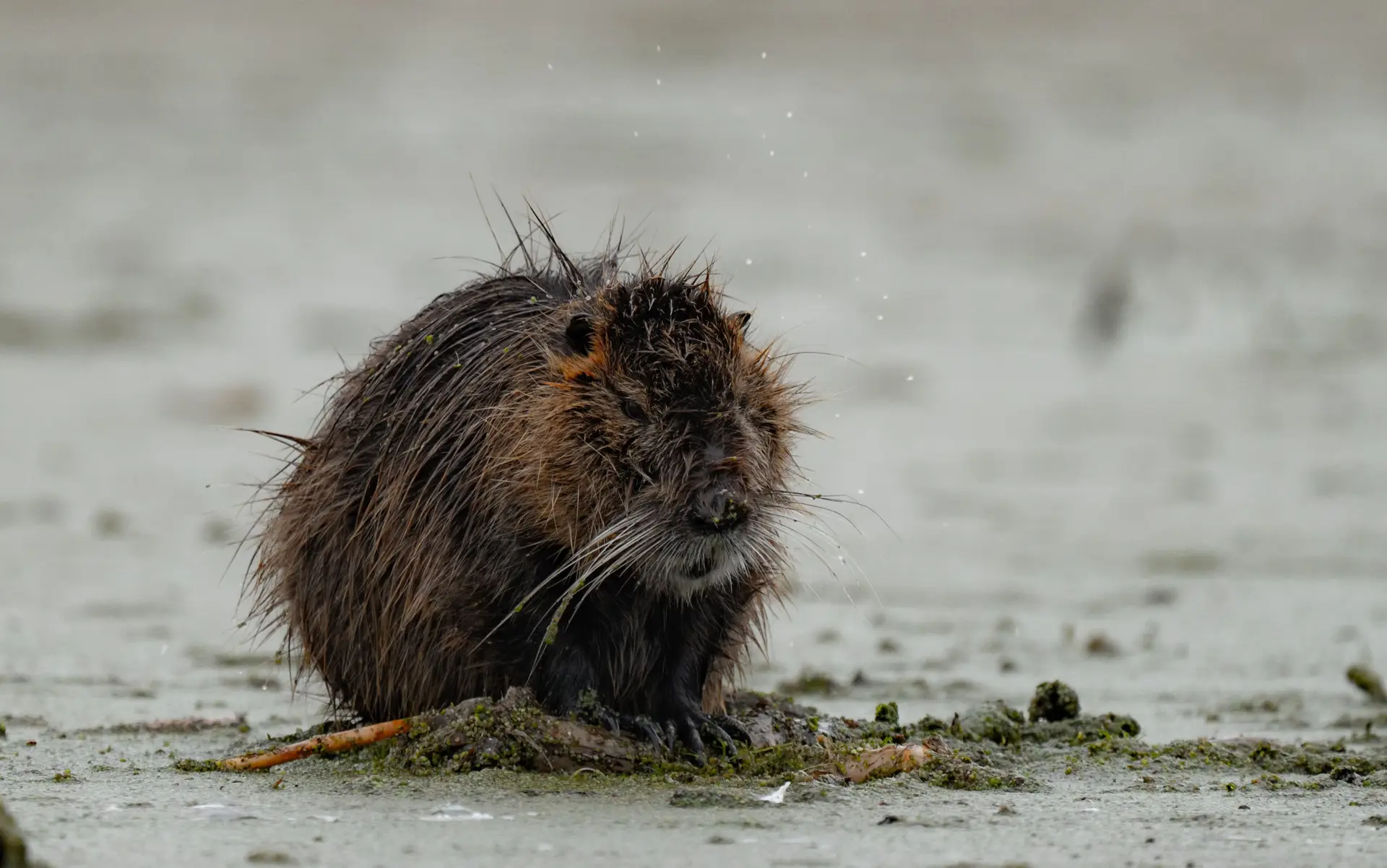
On the gravel shore, watch how the beaver uses the specialized split grooming claw on its hind foot to distribute waterproofing oil from castor glands through its dense inner underfur.
Sweeping fescue expanses, sagebrush flats, and rolling coulees where wide horizons demand exceptional distance vision and swift herd coordination.
Prairie species rely on subtle acoustic warnings and synchronized head-lifting across the herd to detect approaching movement.
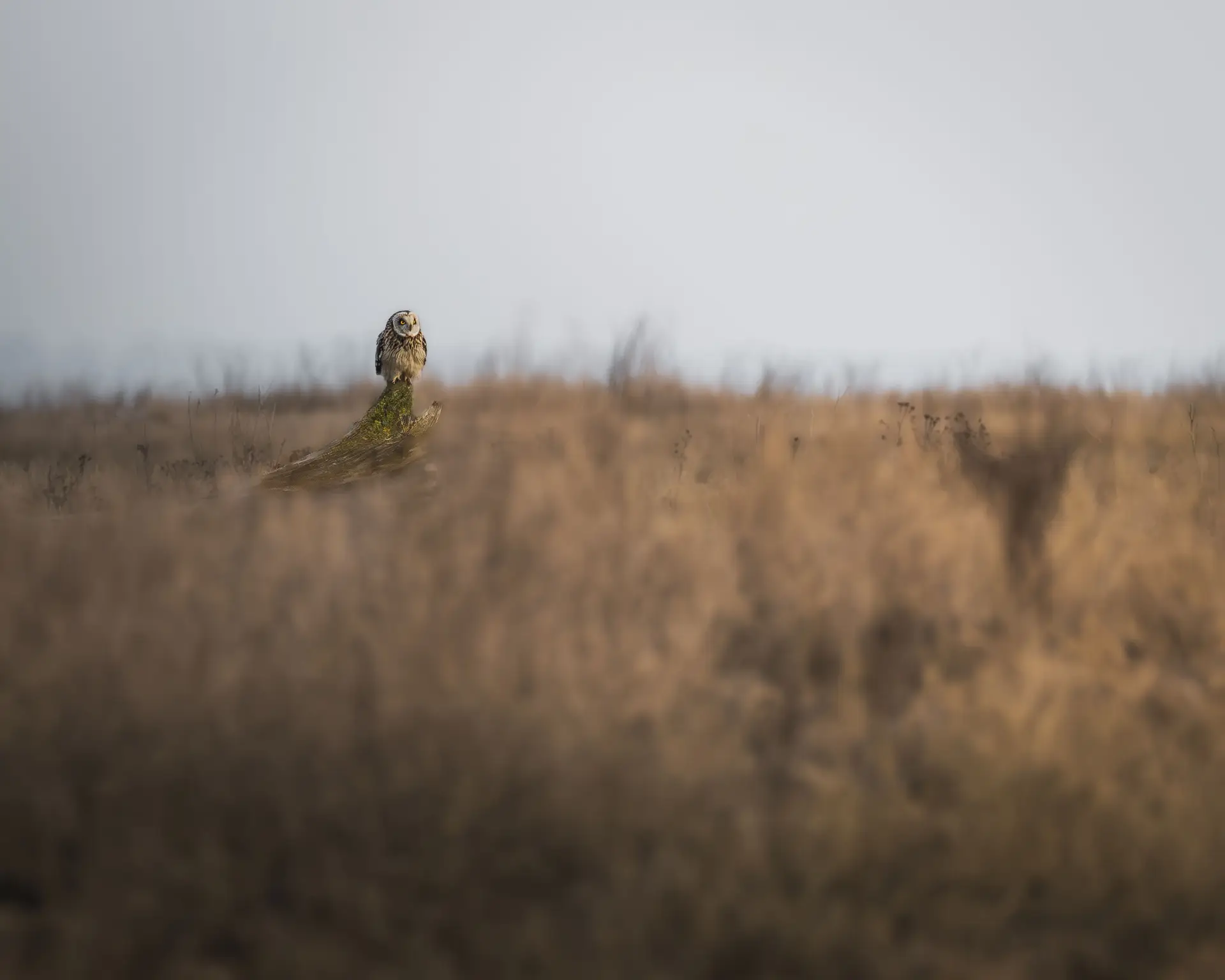
Notice the buoyant, moth-like flapping flight low over grass tips at dusk as it cups its facial discs to pinpoint vole rustling.
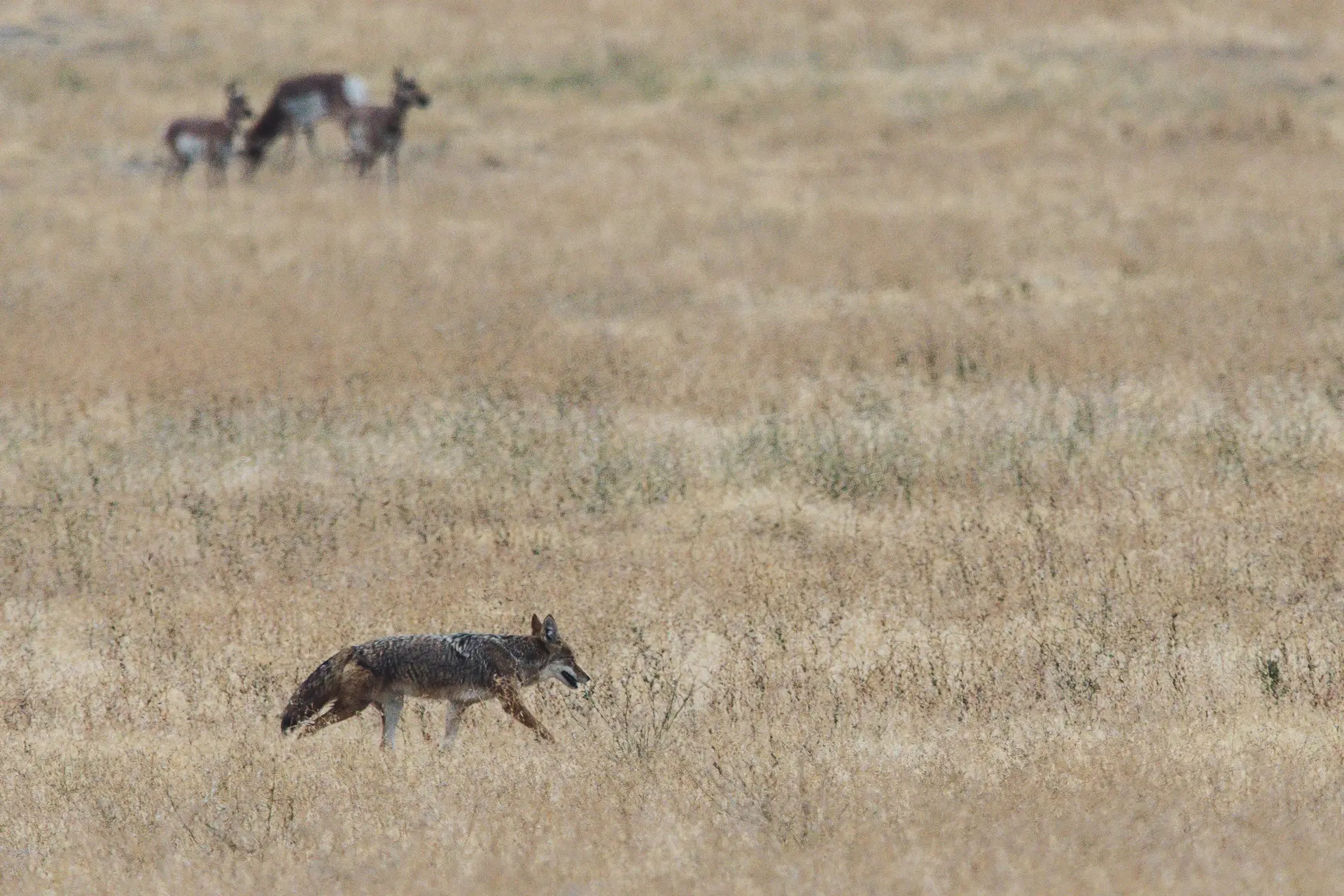
Watch for the characteristic steep vertical leap and stiff-legged pounce designed to pin grasshoppers and mice beneath heavy turf.
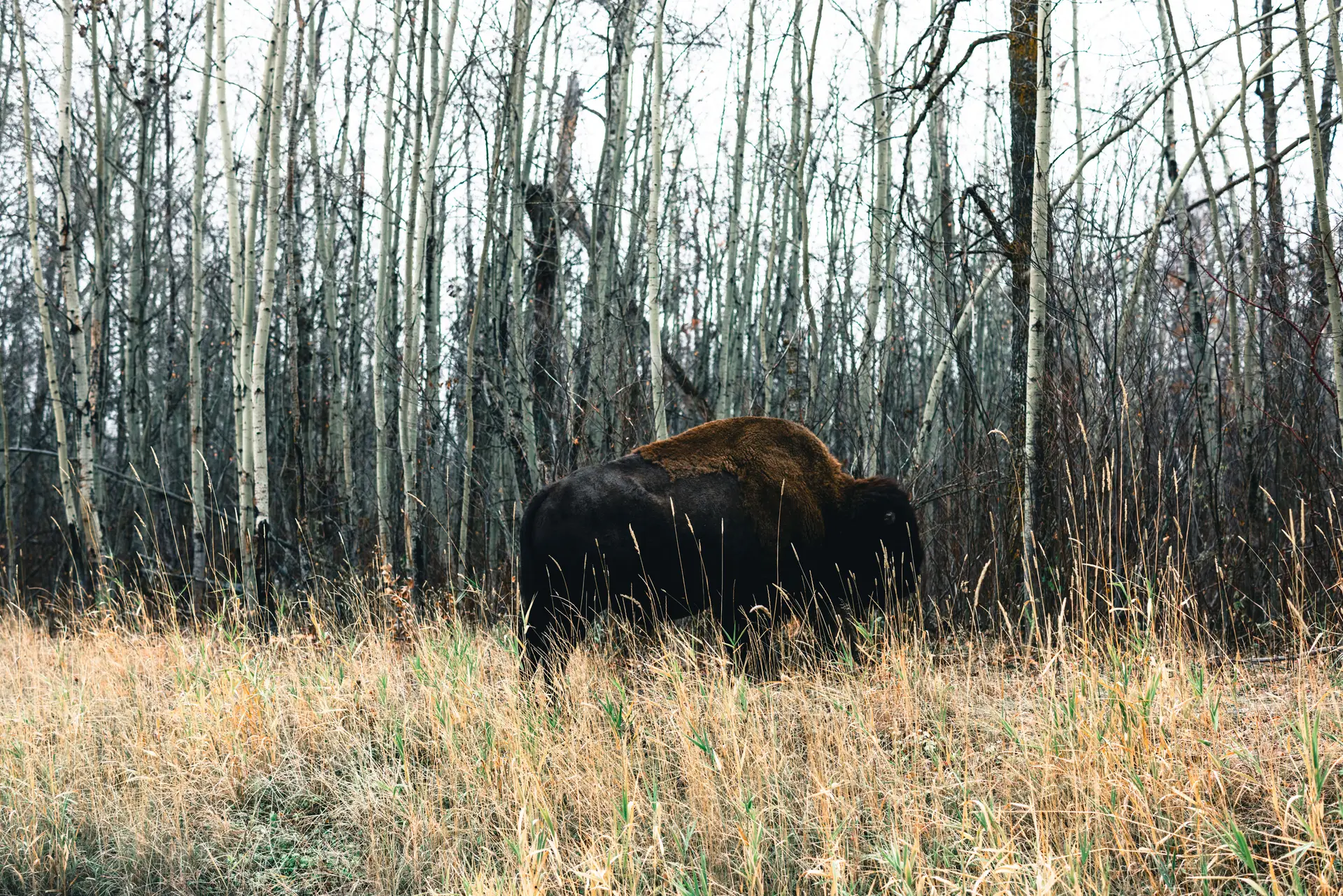
Watch the deliberate communal wallowing in dry prairie depressions. Rolling vigorously coats the thick hide in fine soil, deterring biting prairie flies while forming shallow rainwater catchment basins that nurture wildflowers.
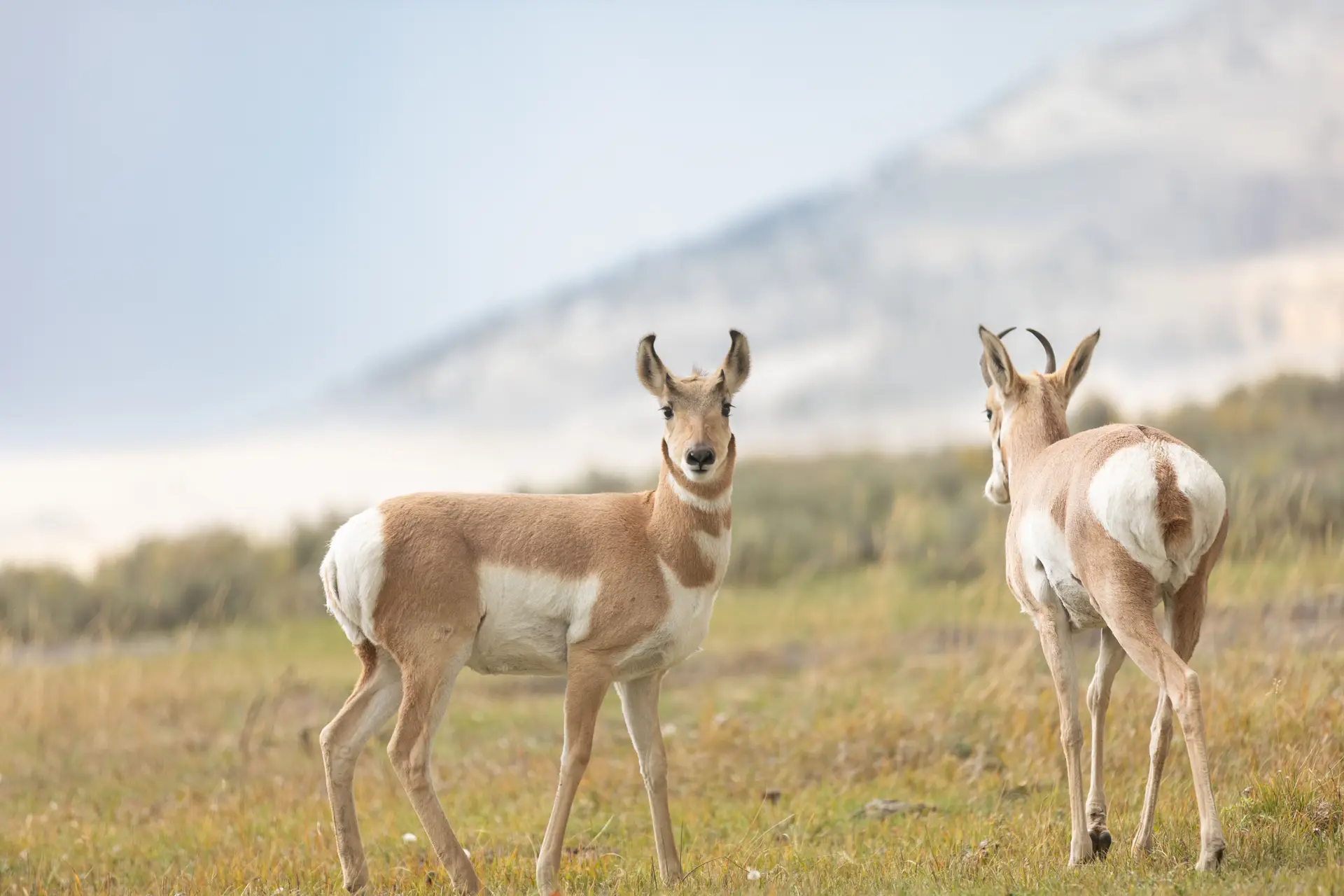
Look for the sudden erection of white rump hairs that act as a visual mirror flash warning others across vast distances.
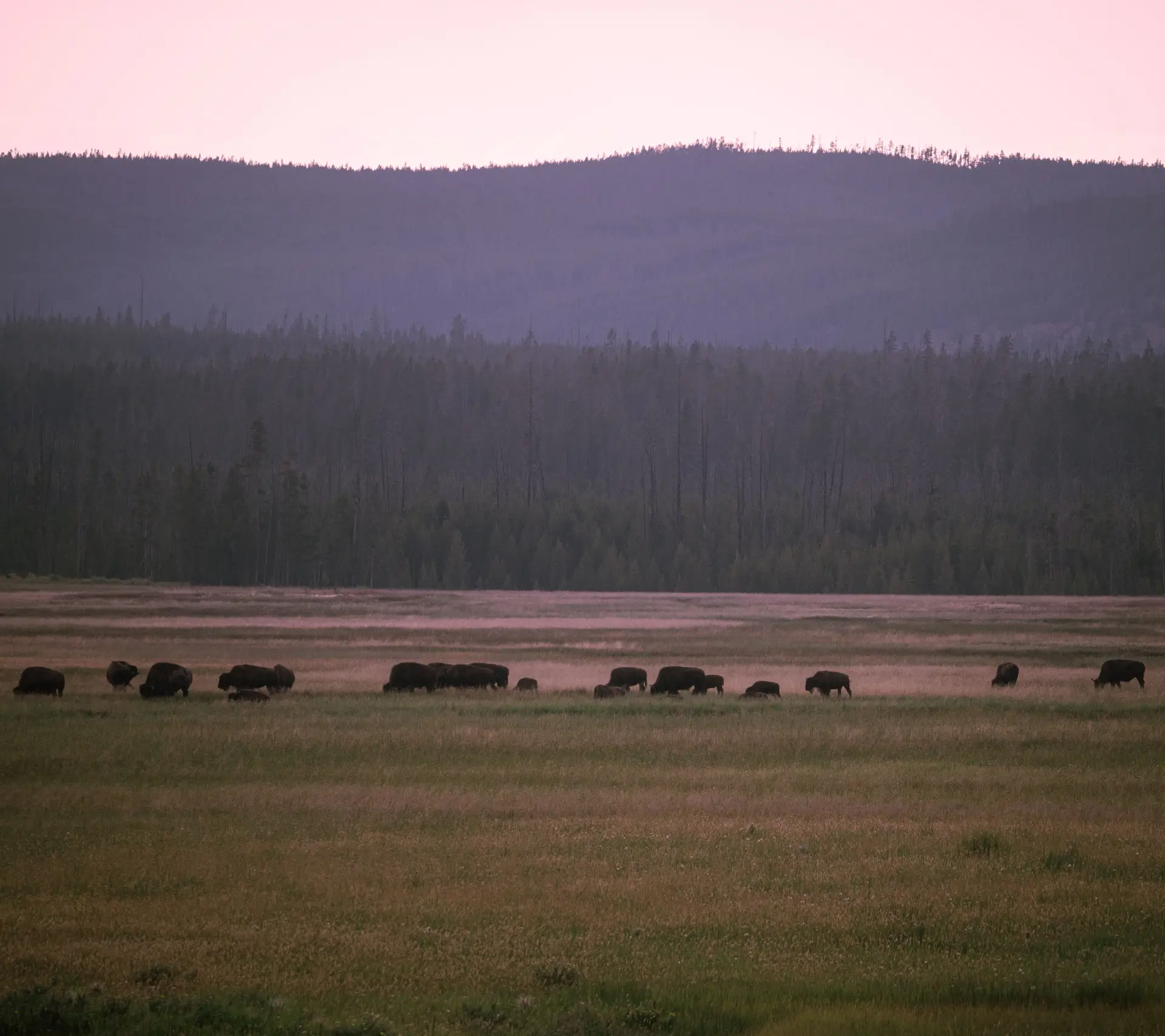
Observe how cows and calves maintain continuous soft grunting contacts while swinging heavy heads in methodical sideways arcs.
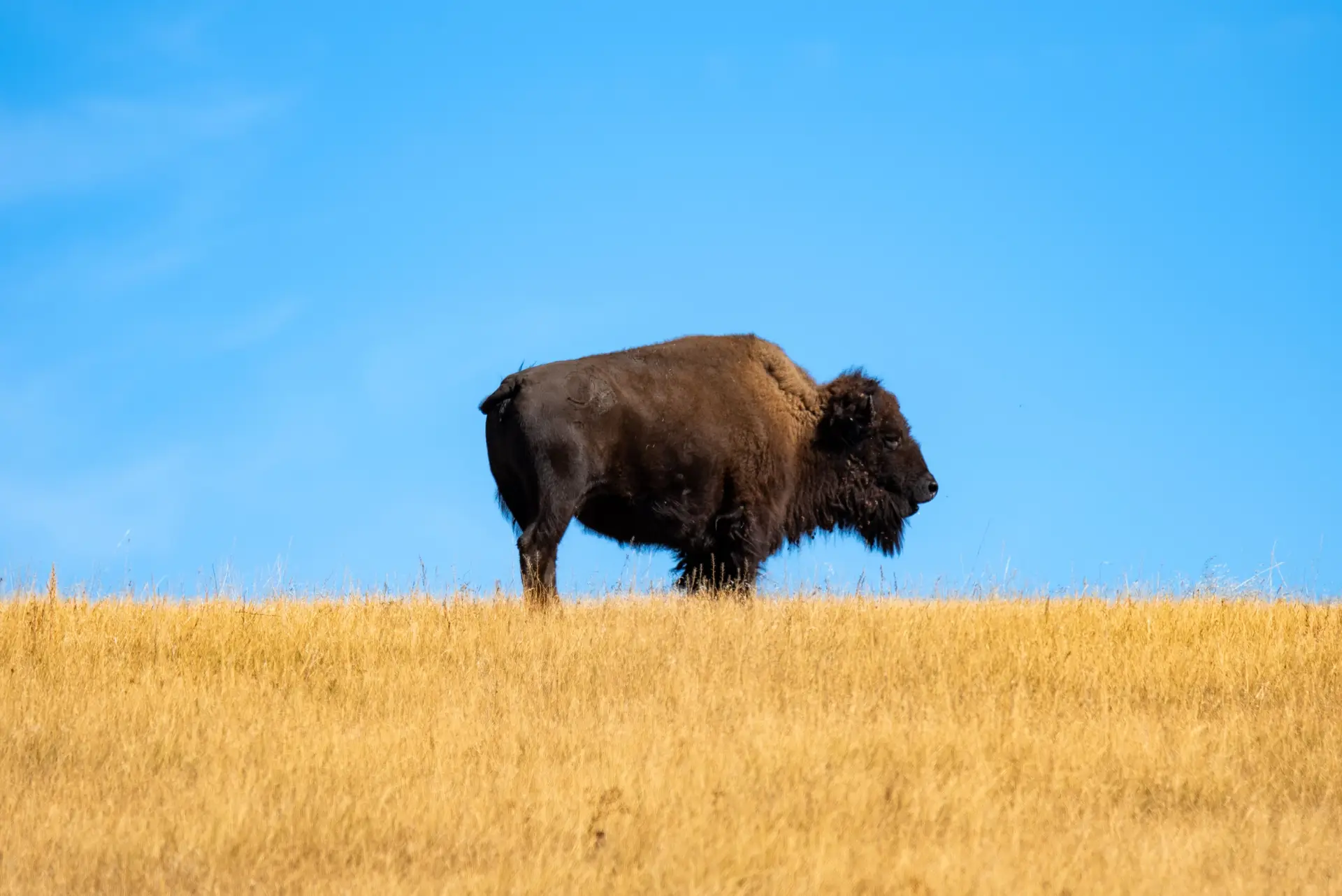
Notice thick woolly tufts shedding along the flanks as the bison stands deliberately angled against incoming prairie gusts to allow cool airflow around its dense shoulders.