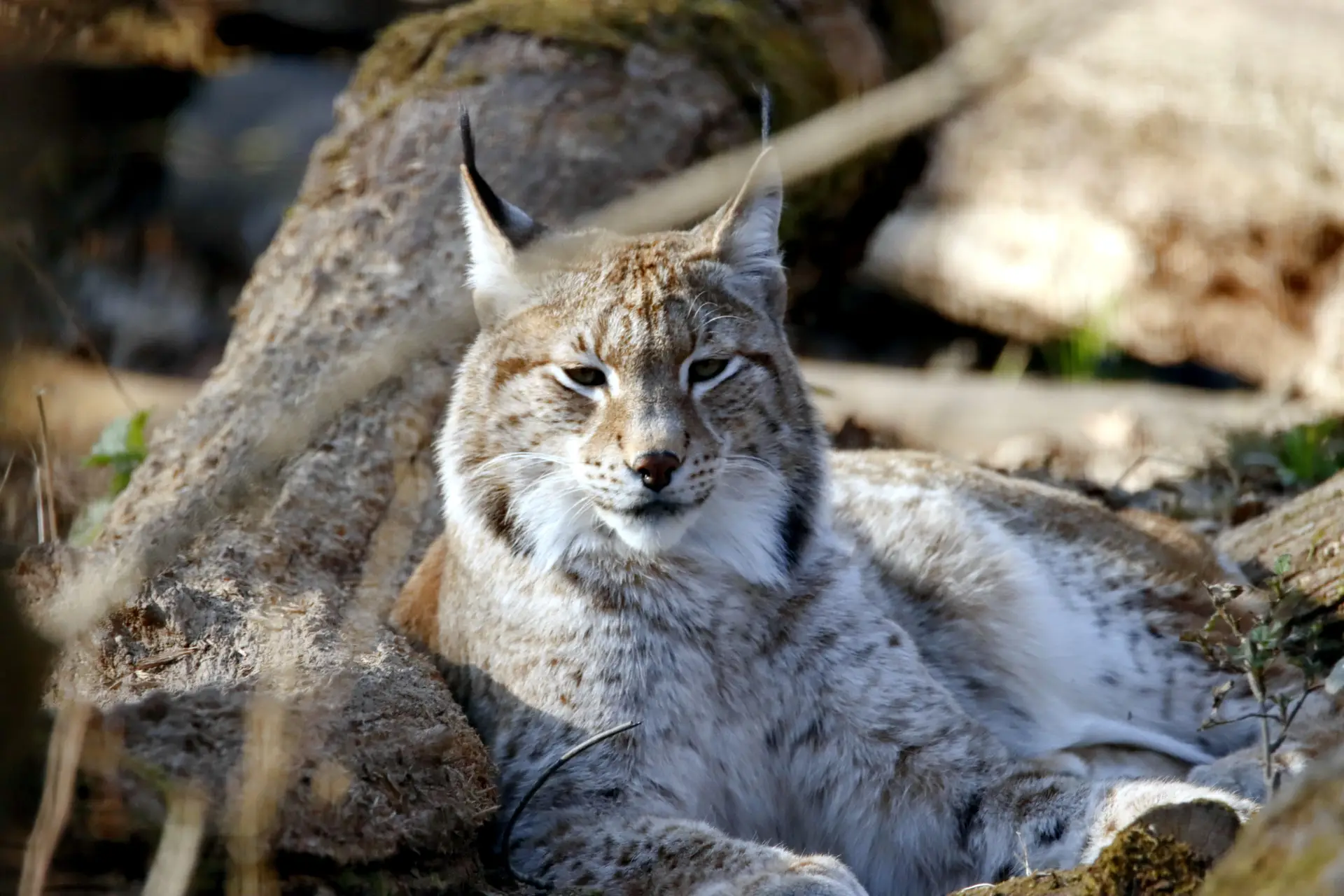

Lynx in profile with its tufted ears raised
Canadian Wildlife Sanctuary • Living Field Guide

A closer look at
wildlife

Explore a Canadian zoo through its boreal forest, wetlands and grasslands. Choose a habitat, watch for a change in posture and discover what an animal does next.

Field Observation Note: Canada lynx (Lynx canadensis) — Watch which way the ears turn as the cat listens.
Ecological Zones of Canada

Explore the zoo habitats

Three carefully replicated Canadian environments designed for natural welfare, seasonal movement, and patient field observation.

Evergreen forest meeting open meadow beneath a cloudy sky
Zone 01 • Boreal Forest

The Boreal Forest

Home to the Canada lynx, grey wolf pack, and great horned owl. Observe natural climbing behaviours across aged spruce snags, thick muskeg moss, and granite outcroppings.

Explore boreal species & habits
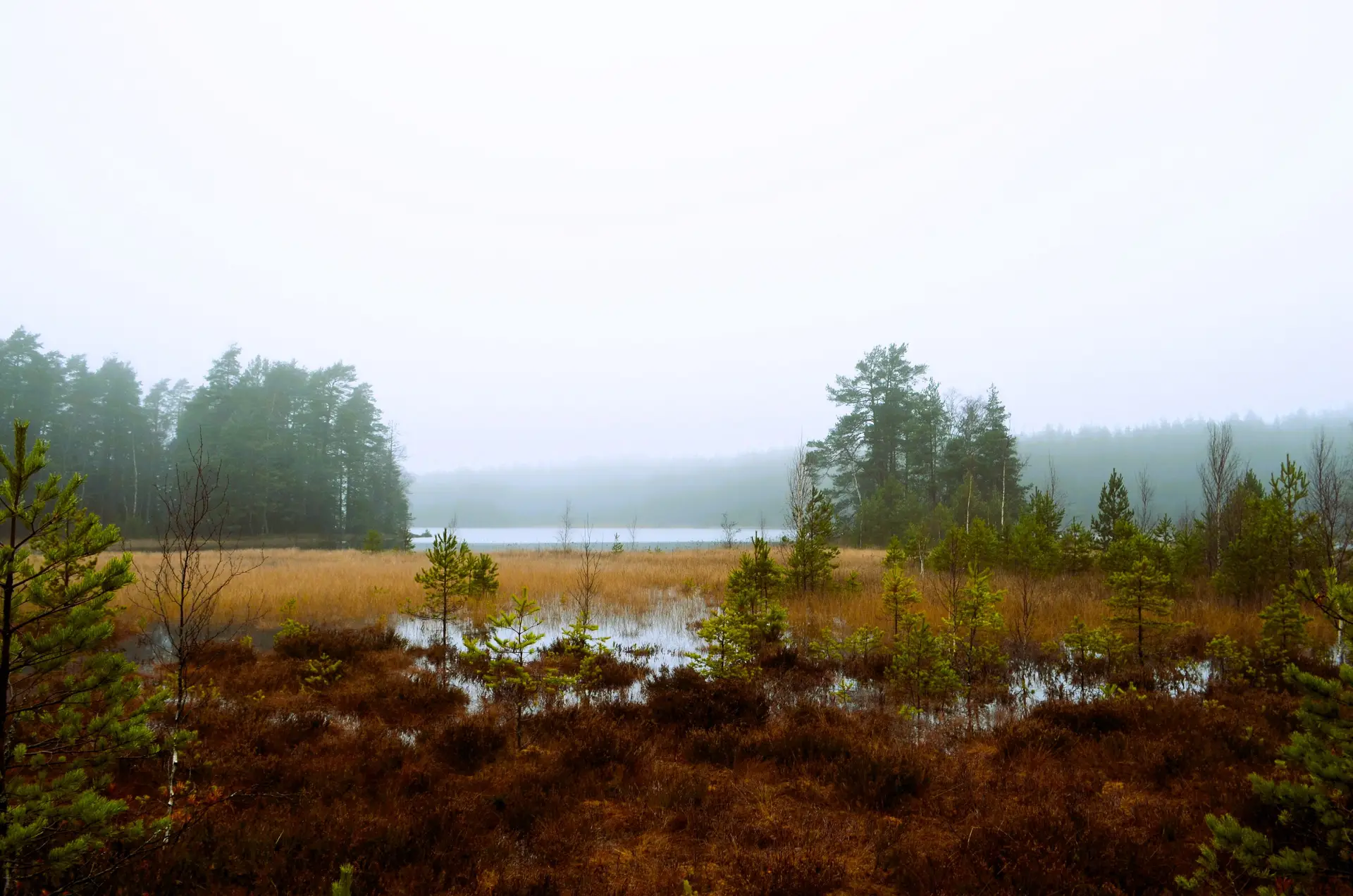
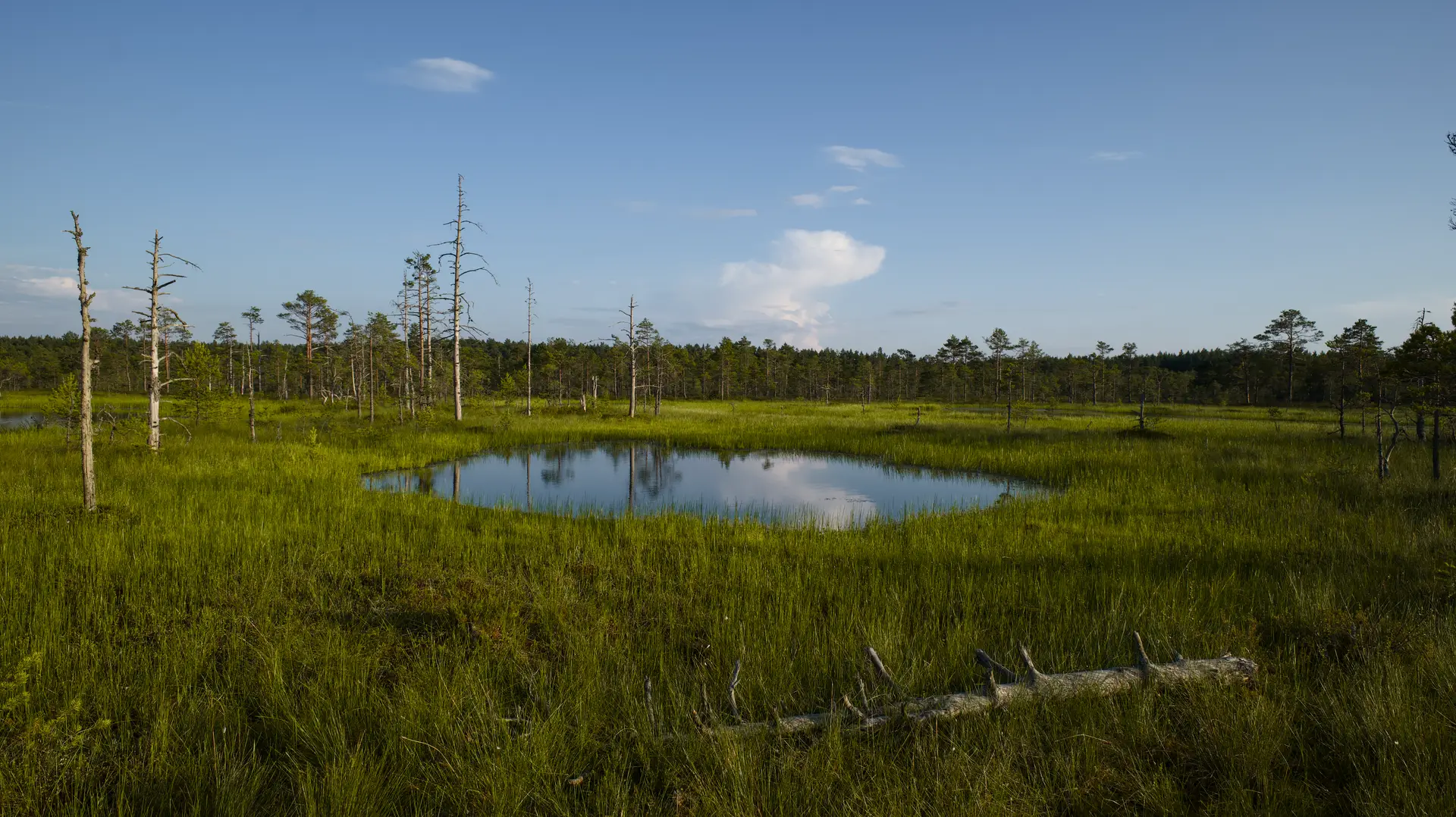
Open water bordered by meadow and distant trees
Zone 02 • Wetlands

Freshwater Wetlands

Follow North American river otters, native beaver dams, and nesting waterfowl along meandering marsh shallows and timber channels.

View wetland observations
Low green grass and patches of water on the open plain
Zone 03 • Grasslands

Native Grasslands

Watch wood bison herds grazing across vast undulating fescue prairie alongside burrowing owls and alert black-tailed prairie dogs.

Discover grassland wildlife
Visitor Field Guide Quiet Observation

Things to look for at the zoo

True wildlife discovery begins when we pause. Animals in naturalistic habitats spend much of their day listening, conserving energy, or communicating through subtle postures. Use these field-tested observation cues to deepen your family's visit.

Ethical Viewing Principle

Keep voices lowered near enclosures. Sudden sounds cause animals to retreat into privacy shelters.

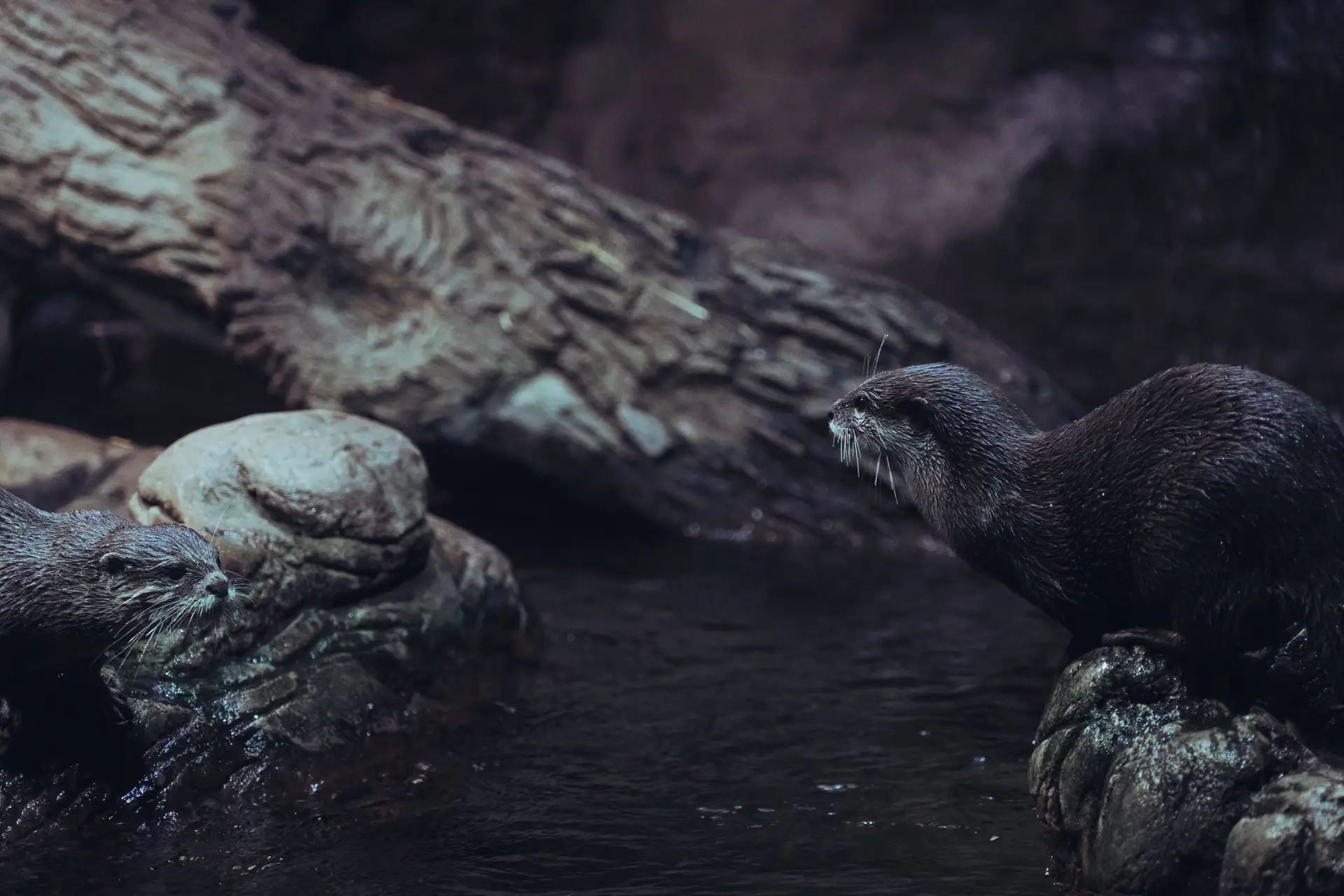
Otter moving through dark water beside rocks
Movement & Propulsion

Rudder Tails in Wetlands

Notice how the river otter keeps its front forepaws tucked tightly against its chest while cruising at speed. Its thick, muscular tail acts as both rudder and primary underwater propeller.

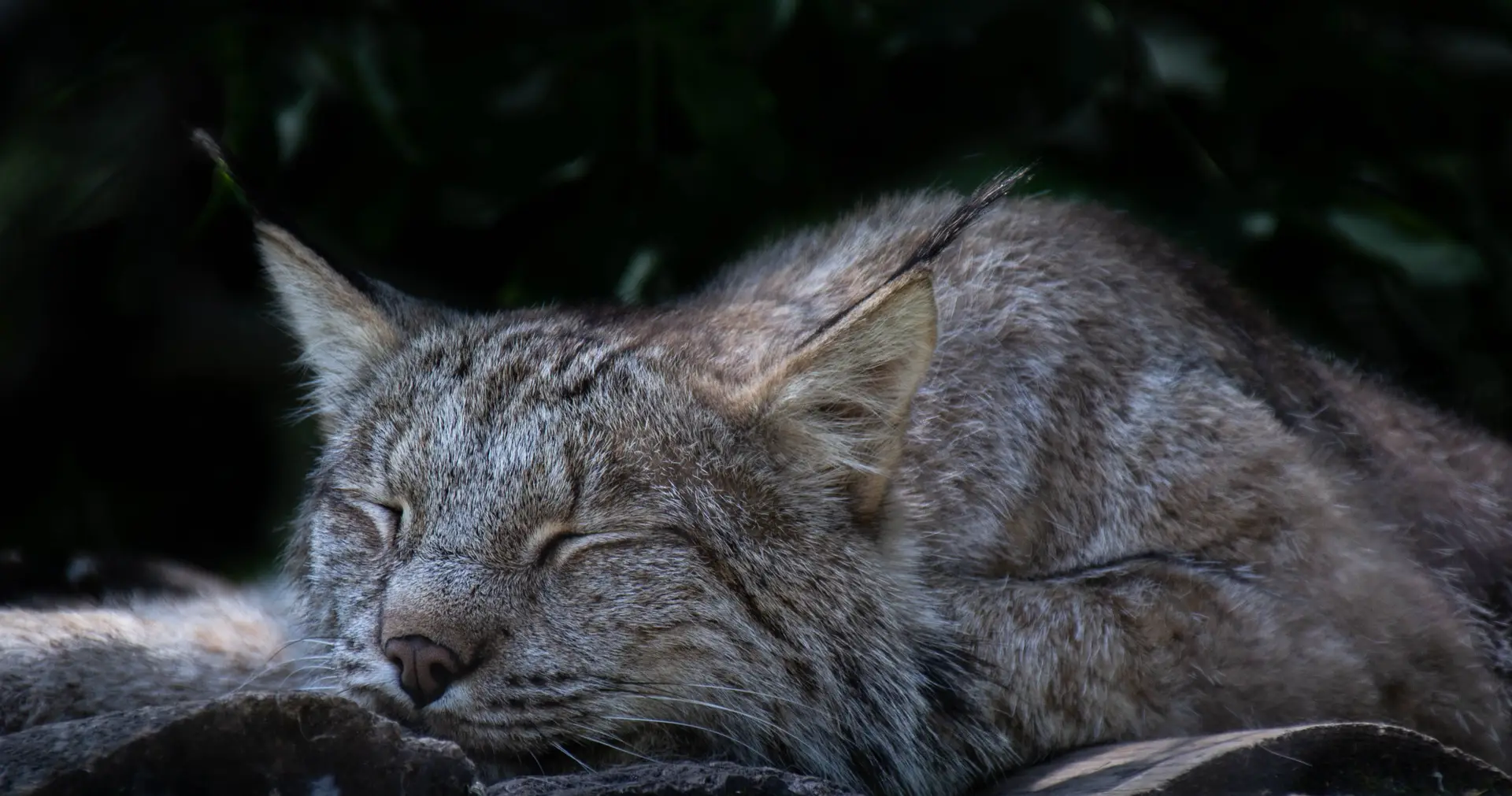
Lynx resting in the shade with ears upright
Acoustic Senses

Independent Ear Pivots

Watch the black ear tufts of the Canada lynx. Even while appearing asleep on a timber perch, each ear moves independently up to 180 degrees to triangulate rustling beneath deep snow.

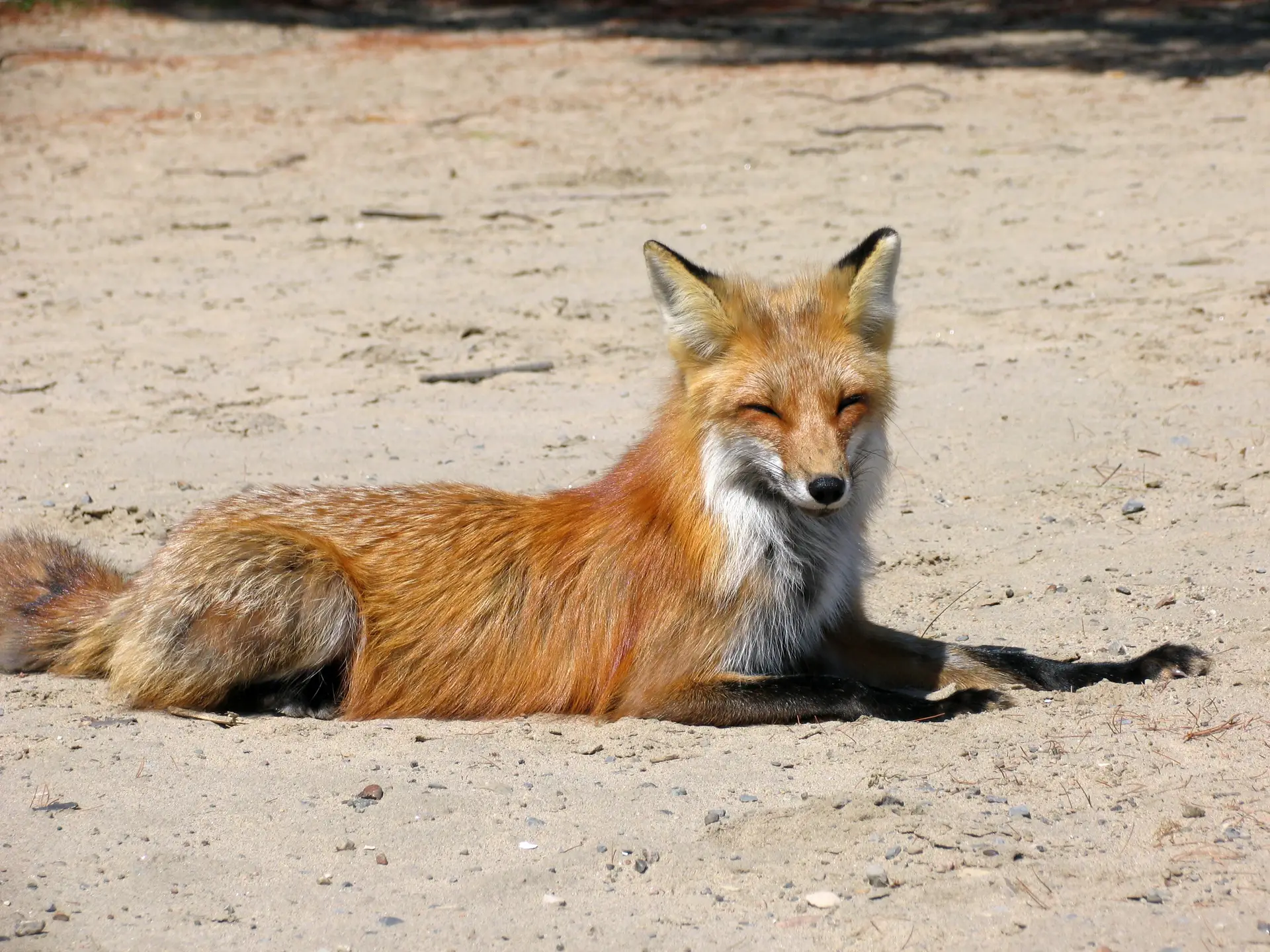
Red fox resting on sandy ground with its brush beside it
Thermal Posture

The Fox Brush Thermal Blanket

In morning chill, look for red foxes curling into a tight spherical posture with their thick bushy brush draped across their muzzle and paws to pre-warm cold Canadian air.

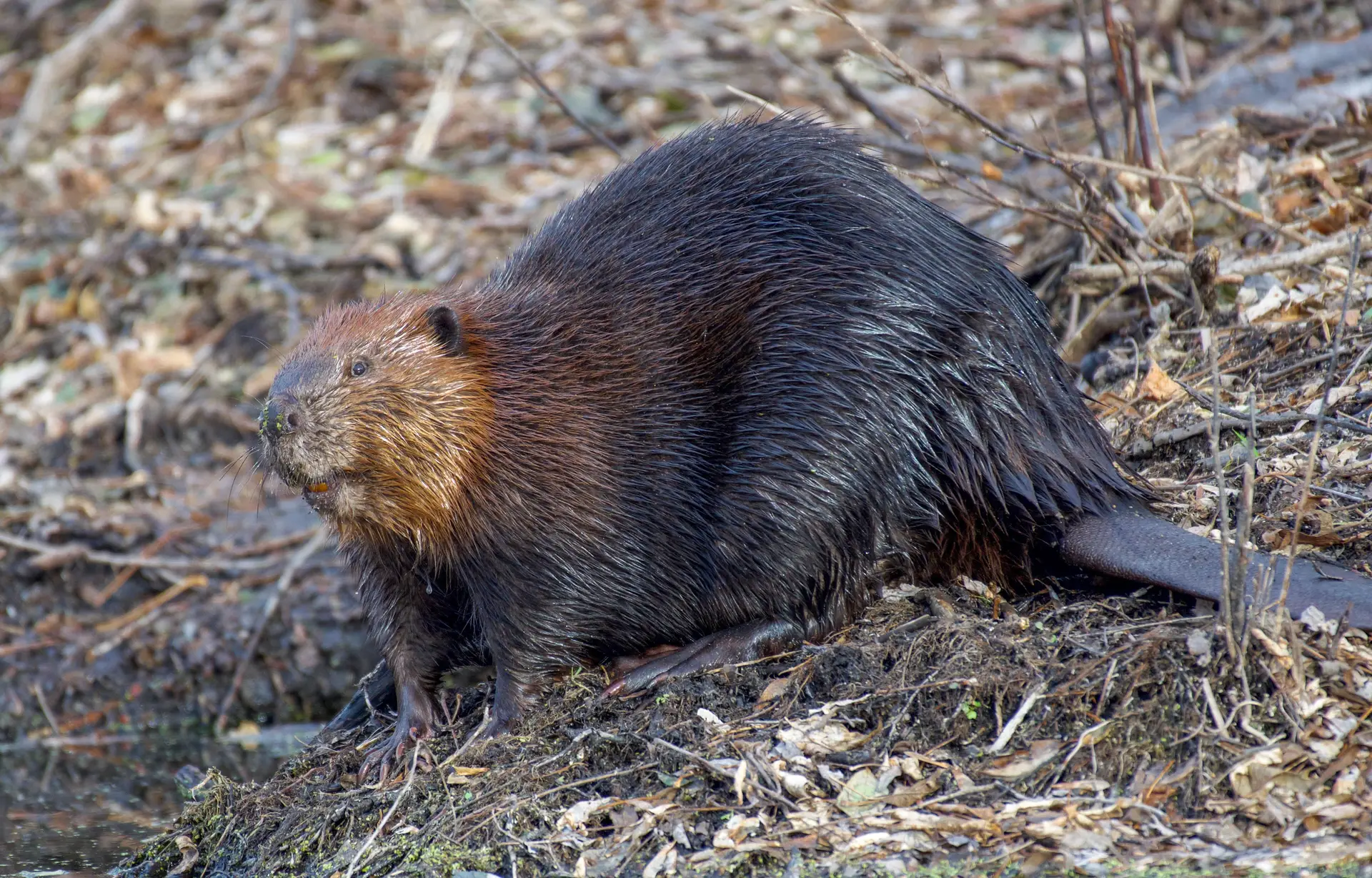
Beaver on a stony bank with its tail extended
Habitat Engineering

Willow Bark Feeding Habits

Observe how beavers grip birch branches like corn-on-the-cob, rotating the stick to consume only the nutrient-rich inner cambium layer while leaving the core heartwood intact.

Make the most of your zoo visit

Choose a habitat before your zoo visit

Start with a question. How does a lynx cross soft snow? Where would a beaver find building material? Pick one habitat from the zoo field guide and give yourself time to look for an answer.

Read the habitat guide

Give animals time to appear

At the zoo, a still patch of reeds is worth a second look. Watch for ripples, listen for a splash and let the animal set the pace. A quiet zoo visit gives children room to notice these small changes.

Try a field activity

Keep a zoo sketchbook

Divide a page into three panels. Draw a bird standing, stepping and settling again. A zoo sketchbook can be a record of movement even when the animal leaves before the picture is finished.

Find sketchbook ideas

Plan a family zoo day

Choose one shared activity and leave room for breaks. Before your zoo day, check the forecast and pack layers. Ask the zoo team about accessibility or group arrangements before setting out.

Prepare for your visit