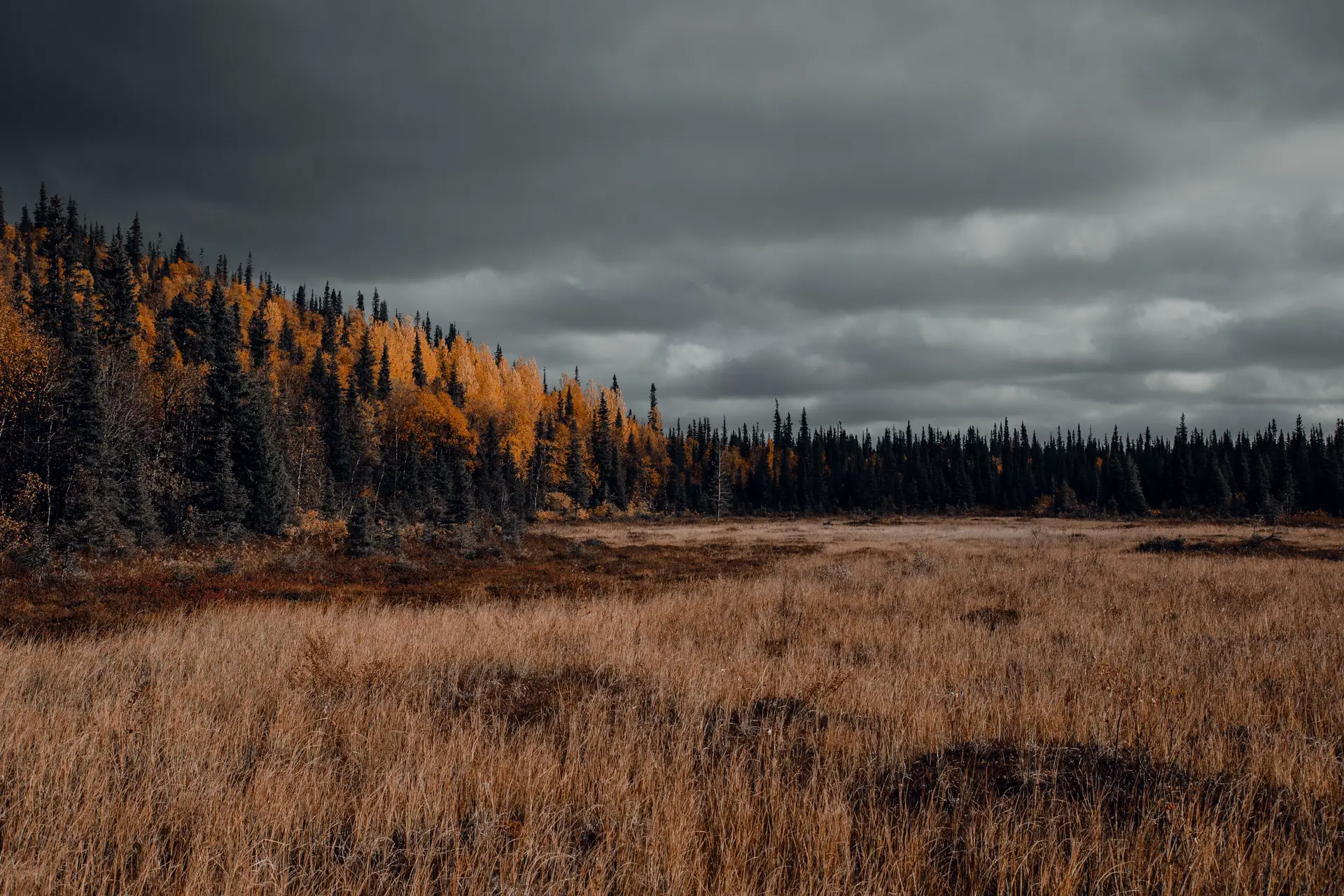
The Boreal Forest
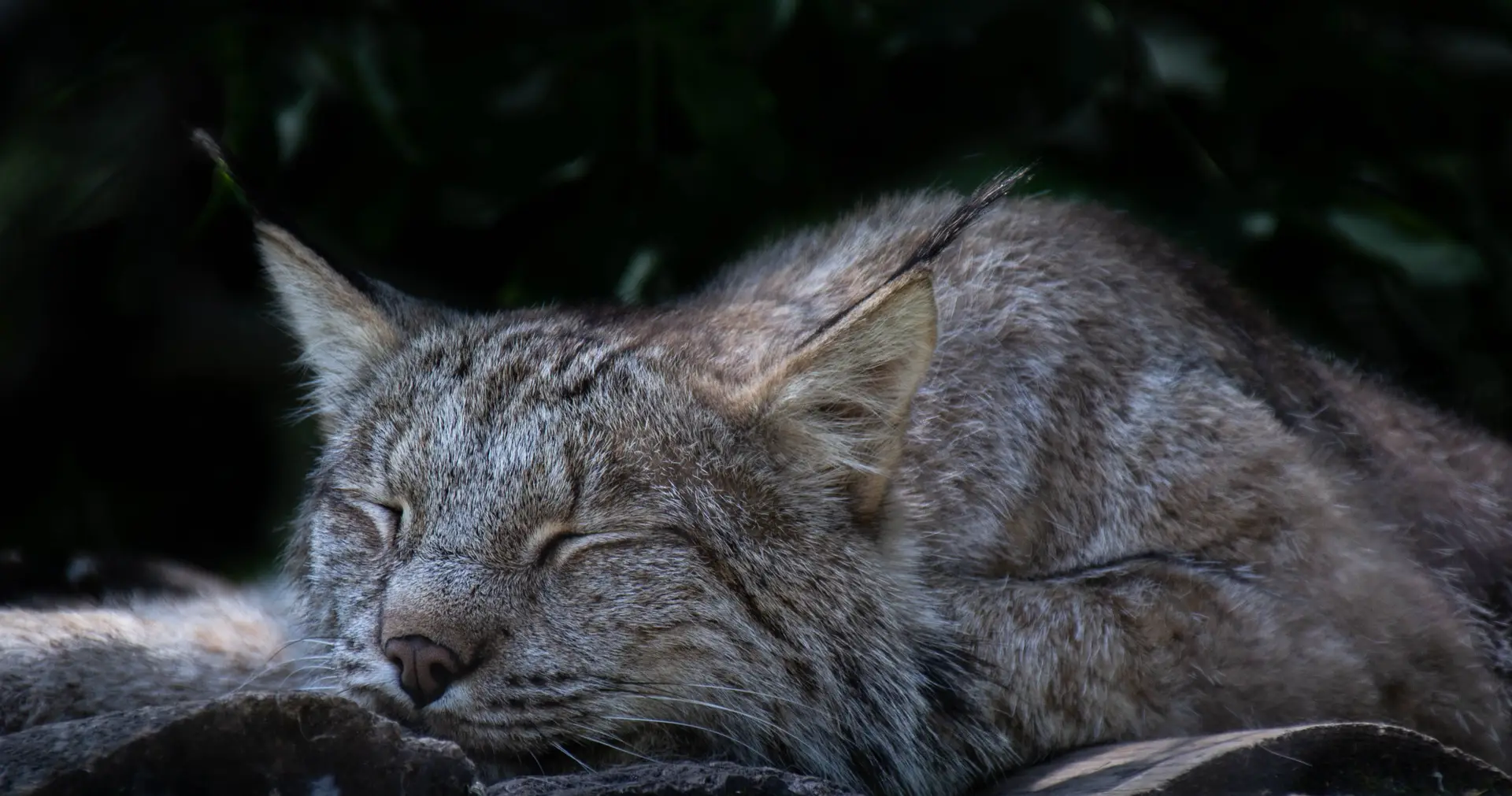
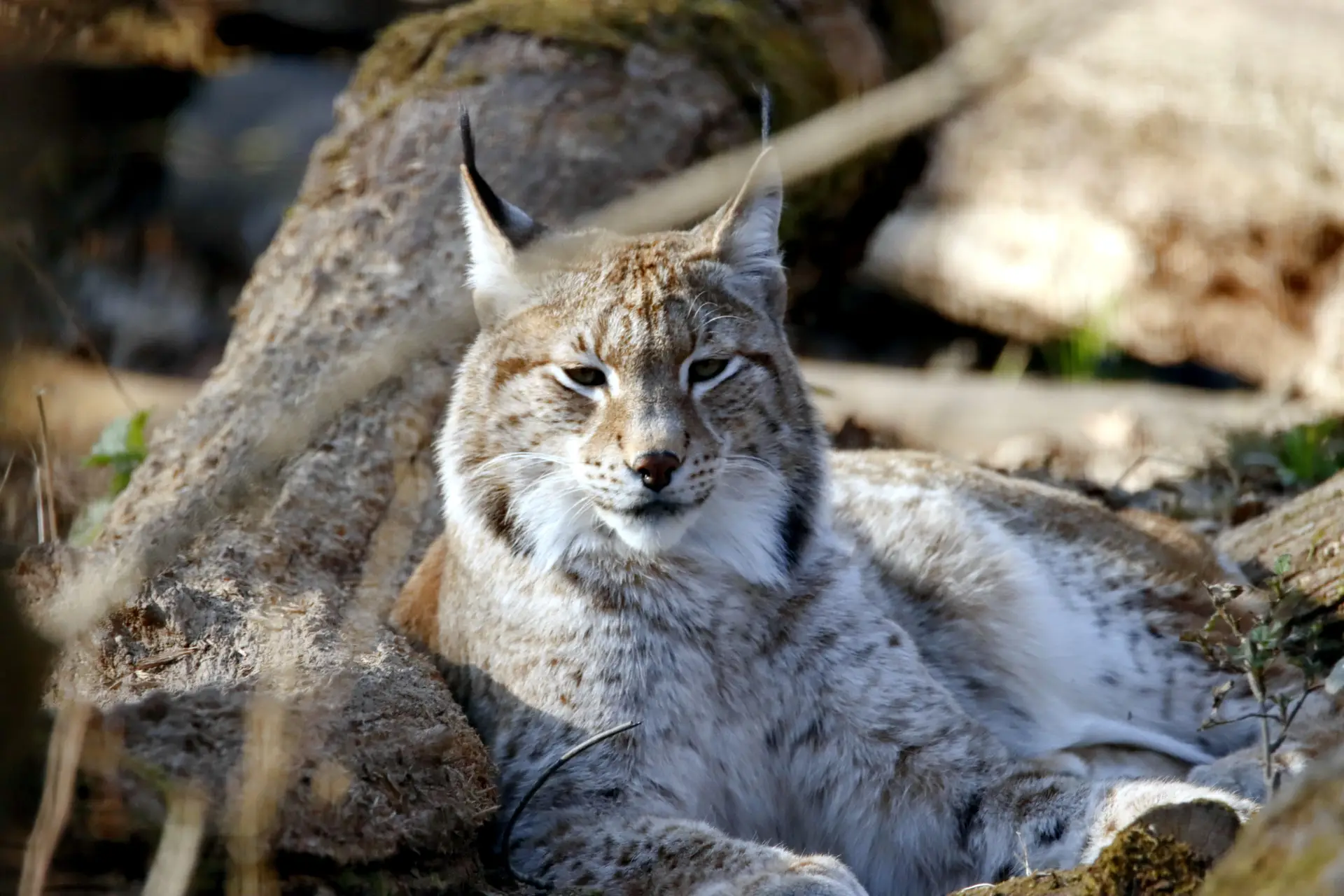
Home to the Canada lynx, grey wolf pack, and great horned owl. Observe natural climbing behaviours across aged spruce snags, thick muskeg moss, and granite outcroppings.
Explore boreal species & habits
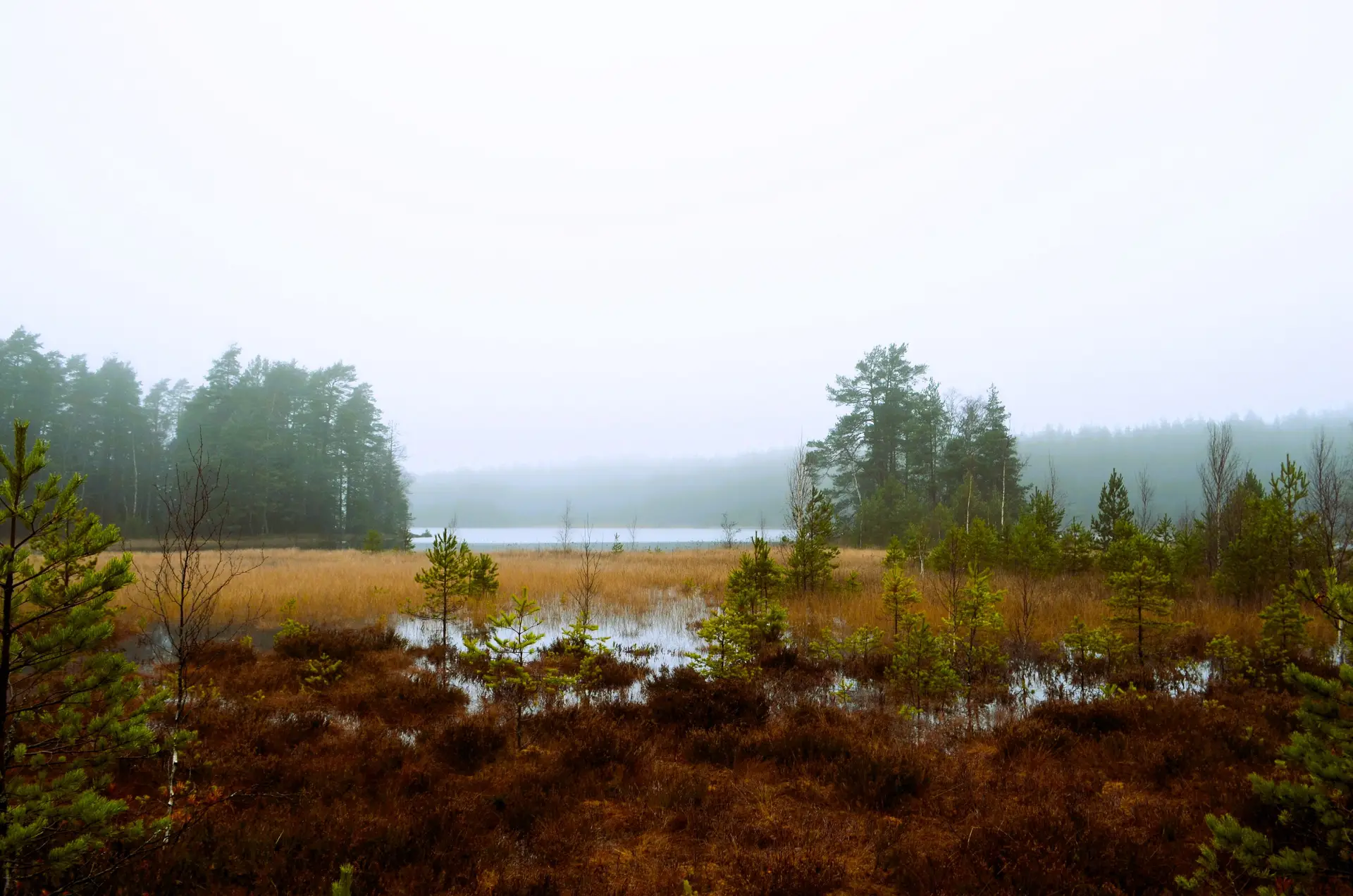
Three carefully replicated Canadian environments designed for natural welfare, seasonal movement, and patient field observation.
Home to the Canada lynx, grey wolf pack, and great horned owl. Observe natural climbing behaviours across aged spruce snags, thick muskeg moss, and granite outcroppings.
Explore boreal species & habits
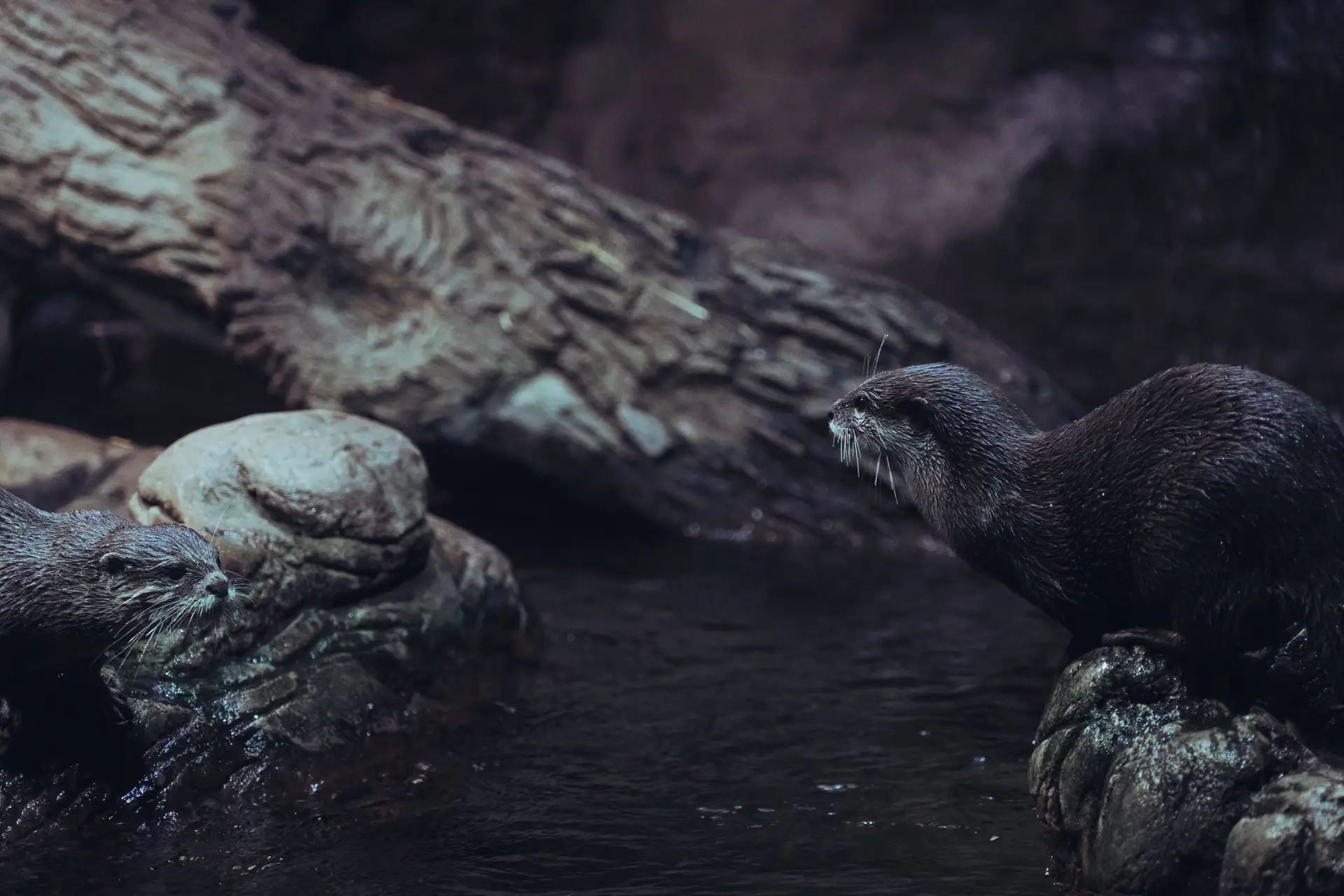
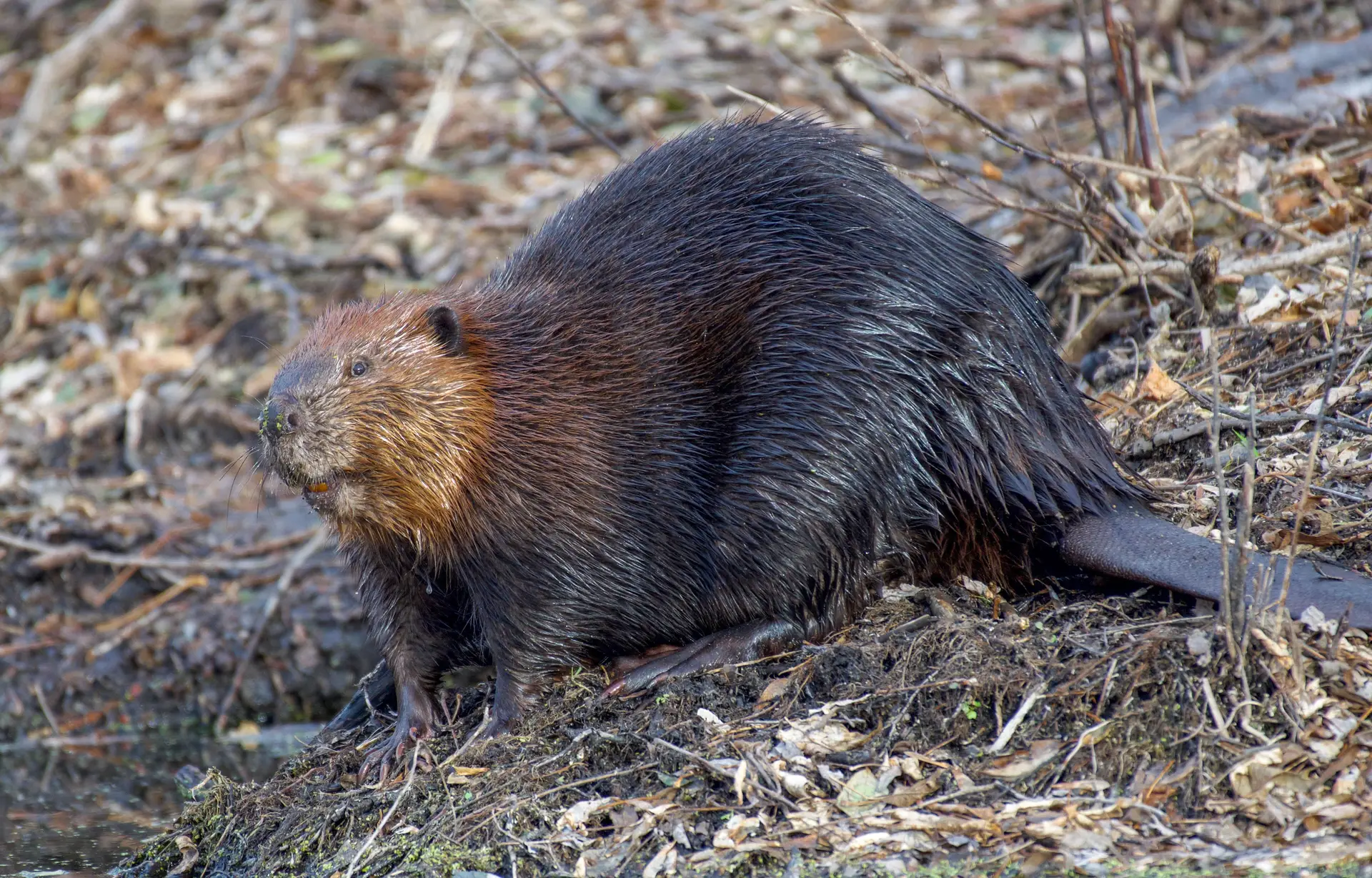
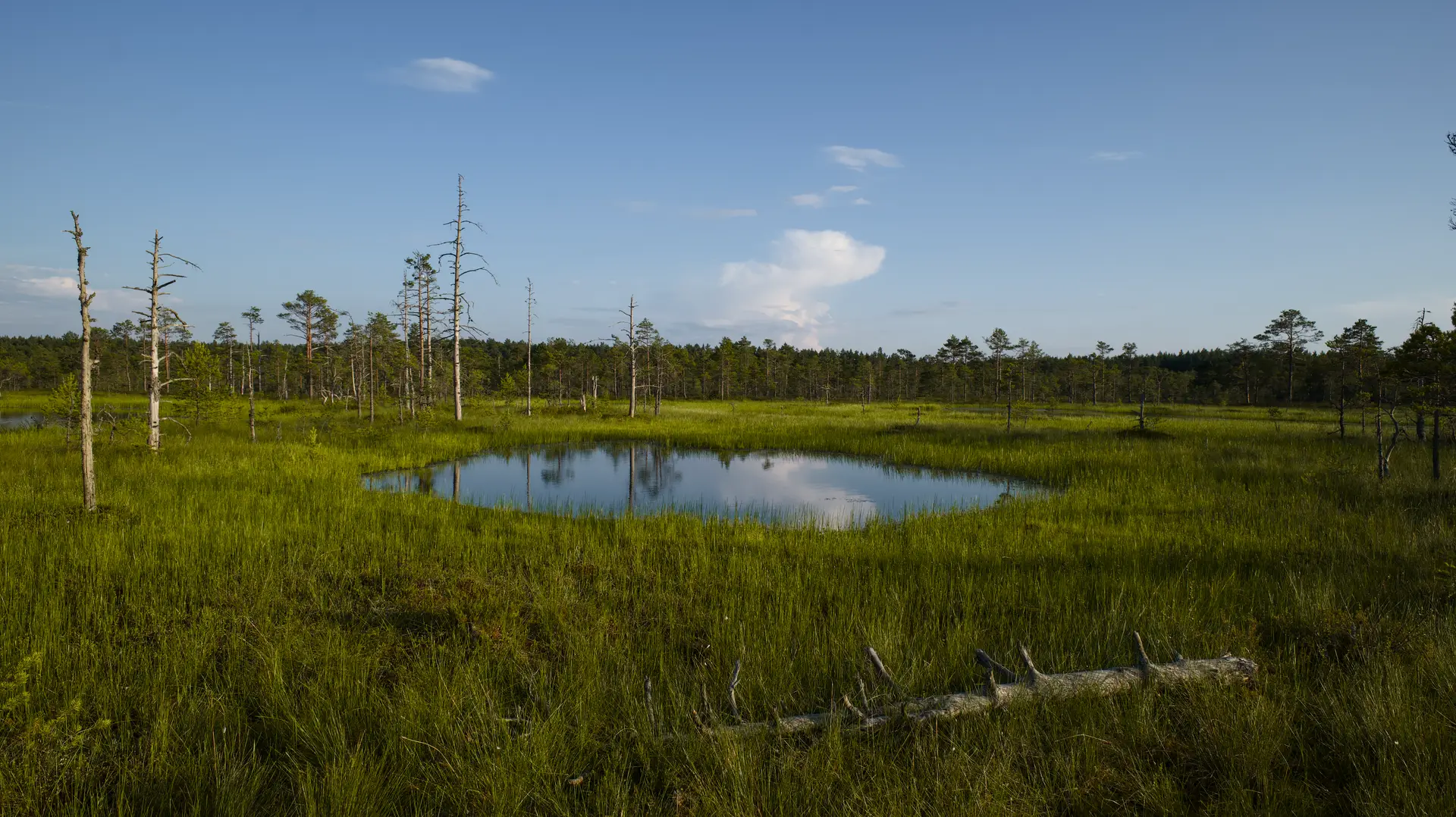
Follow North American river otters, native beaver dams, and nesting waterfowl along meandering marsh shallows and timber channels.
View wetland observations
Watch wood bison herds grazing across vast undulating fescue prairie alongside burrowing owls and alert black-tailed prairie dogs.
Discover grassland wildlifeTrue wildlife discovery begins when we pause. Animals in naturalistic habitats spend much of their day listening, conserving energy, or communicating through subtle postures. Use these field-tested observation cues to deepen your family's visit.
Keep voices lowered near enclosures. Sudden sounds cause animals to retreat into privacy shelters.
Notice how the river otter keeps its front forepaws tucked tightly against its chest while cruising at speed. Its thick, muscular tail acts as both rudder and primary underwater propeller.
Watch the black ear tufts of the Canada lynx. Even while appearing asleep on a timber perch, each ear moves independently up to 180 degrees to triangulate rustling beneath deep snow.
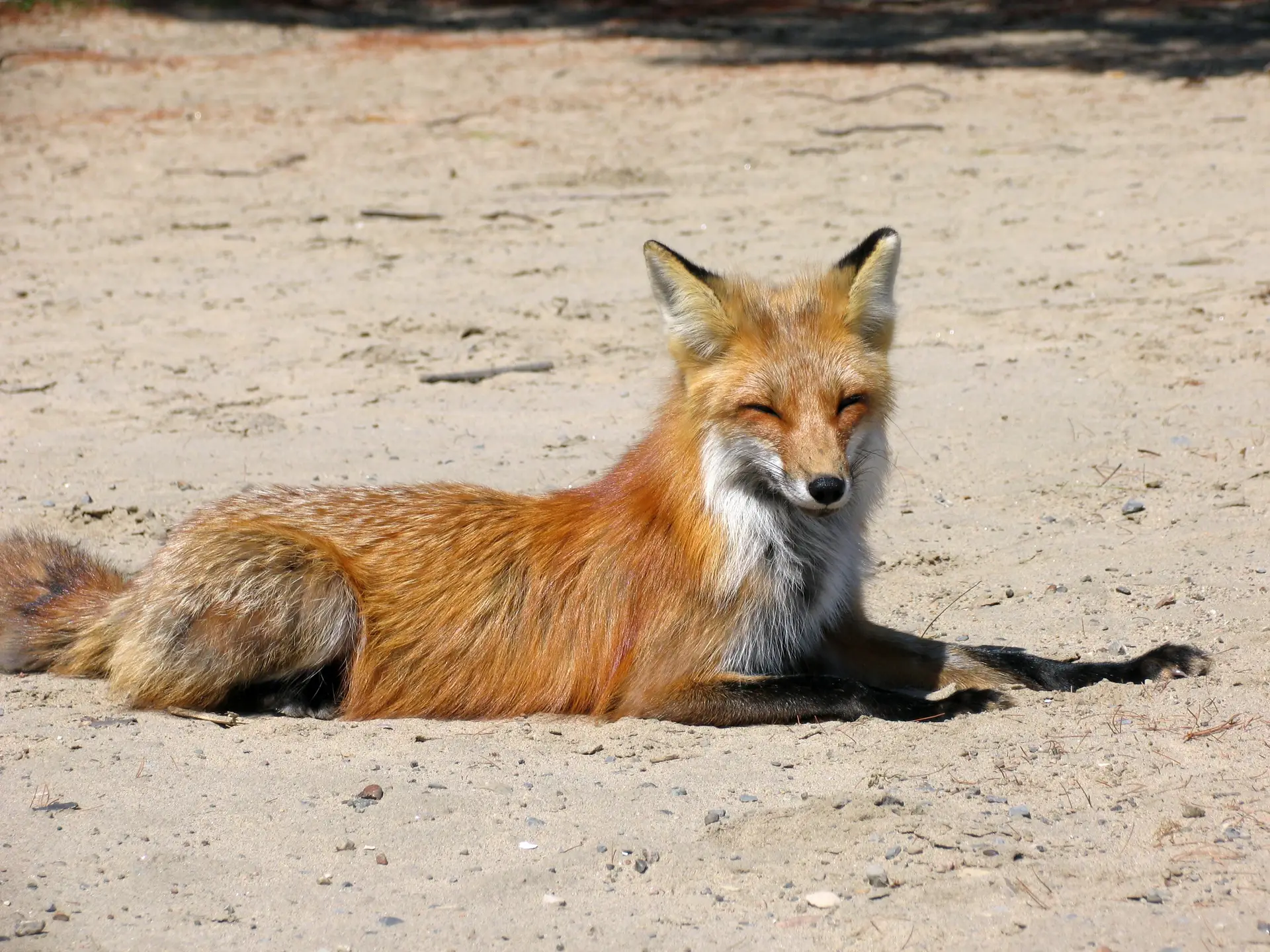
In morning chill, look for red foxes curling into a tight spherical posture with their thick bushy brush draped across their muzzle and paws to pre-warm cold Canadian air.
Observe how beavers grip birch branches like corn-on-the-cob, rotating the stick to consume only the nutrient-rich inner cambium layer while leaving the core heartwood intact.
Start with a question. How does a lynx cross soft snow? Where would a beaver find building material? Pick one habitat from the zoo field guide and give yourself time to look for an answer.
Read the habitat guideAt the zoo, a still patch of reeds is worth a second look. Watch for ripples, listen for a splash and let the animal set the pace. A quiet zoo visit gives children room to notice these small changes.
Try a field activityDivide a page into three panels. Draw a bird standing, stepping and settling again. A zoo sketchbook can be a record of movement even when the animal leaves before the picture is finished.
Find sketchbook ideasChoose one shared activity and leave room for breaks. Before your zoo day, check the forecast and pack layers. Ask the zoo team about accessibility or group arrangements before setting out.
Prepare for your visit